A residential property in Camborne required electrical work to accommodate a new dual cooking setup. The existing single outlet needed upgrading to safely power both an oven and hob, with proper installation of the appliances onto their designated mounting points
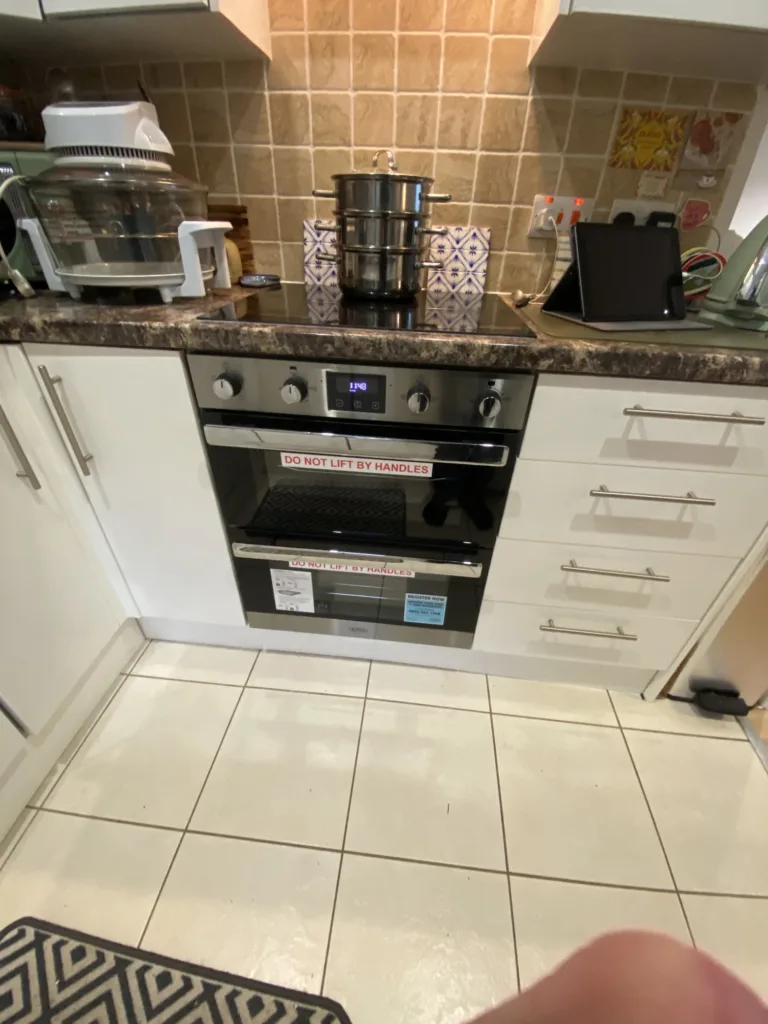
The kitchen is often the heart of any home, and when appliances need upgrading or replacing, the electrical infrastructure must be properly assessed and modified where necessary. This particular job in Camborne involved transforming a single cooker outlet into a dual system capable of safely powering both an oven and a hob simultaneously.
The existing setup featured a single-gang cooker outlet connected to a 32A circuit with 6mm cable. Whilst this configuration works perfectly well for a single appliance, the homeowner had purchased a new cooking setup consisting of separate oven and hob units. This meant the electrical supply needed adapting to accommodate both appliances safely and in compliance with current wiring regulations.
The first stage involved removing the old single outlet and fitting a dual cooker outlet plate in its place. This type of outlet provides two separate connection points whilst still utilising the existing circuit. The 32A rating and 6mm cable were more than adequate for the combined load of both appliances, so no circuit rewiring was necessary. However, careful attention was paid to the connections to make certain everything was terminated correctly and securely.
Working with cooker circuits requires a thorough understanding of electrical loads and cable ratings. Cookers and hobs draw significant current, particularly when multiple heating elements are in use simultaneously. The existing circuit had been properly sized during the original installation, which made the upgrade process more straightforward. Had the circuit been undersized, a complete rewire back to the consumer unit would have been necessary – something that would have added considerable time and cost to the project.
Once the dual outlet was securely fitted and tested, attention turned to the physical installation of the oven. The homeowner had already purchased the appropriate mounting brackets, which needed to be fitted to the cabinet housing. Getting the positioning right was critical, not just for the aesthetics but to make certain the appliance sat level and the door operated correctly. A wonky oven door can lead to heat loss and uneven cooking, so taking time over this stage pays dividends.
With the oven properly mounted, the electrical connection could be made. Modern ovens typically come with a length of cable already attached, which connects to the outlet via a standard plug configuration. The hob connection followed a similar process, though hobs often require more careful consideration regarding their position and the cable routing. Everything needs to be neat and accessible for future maintenance whilst remaining completely safe during normal operation.
Testing formed a crucial part of the work. Each appliance was powered up individually to verify correct operation, and then both were run simultaneously to confirm the circuit could handle the combined load without issue. Voltage checks, earth continuity tests, and insulation resistance measurements all came back within acceptable parameters. These tests aren’t just box-ticking exercises – they’re fundamental to making certain the installation is safe and will remain so for years to come.
The kitchen environment presents particular challenges for electrical installations. Moisture, heat, and the proximity of water sources all need to be considered. The outlet positioning had to account for splashback risks whilst remaining easily accessible. Building regulations and wiring standards provide clear guidance on these matters, and compliance isn’t optional.
For homeowners in Camborne considering similar kitchen upgrades, understanding what’s involved helps set realistic expectations. A straightforward outlet upgrade typically takes a few hours when the existing circuit is adequate. However, if additional work is needed – perhaps a new circuit from the consumer unit or alterations to the kitchen cabinetry – the timeframe extends accordingly. Every job is different, and a proper assessment beforehand prevents surprises later.
The difference between a single and dual outlet might seem minor, but it fundamentally changes what’s possible in the kitchen. Being able to use both oven and hob independently, without unplugging anything or making manual changeovers, is how most people expect modern kitchens to function. The electrical infrastructure needs to support that expectation safely.
Kitchen appliances have become more sophisticated over the years. Programmable ovens, induction hobs with precise temperature control, and combination units all require reliable electrical supplies. Getting the basics right – properly rated circuits, correct cable sizing, secure connections – provides the foundation for these appliances to perform as intended.
This Camborne property now has a fully functioning dual cooking setup with both appliances properly installed and connected. The homeowners can use their kitchen with confidence, knowing the electrical work has been completed to the required standards. The circuit is appropriately protected, the connections are secure, and everything has been thoroughly tested.
Electrical work in kitchens isn’t something to approach casually. The combination of high-current appliances and the domestic environment demands proper knowledge and careful execution. Cutting corners or making assumptions can lead to problems ranging from nuisance tripping to serious safety hazards. Having work completed by someone who understands both the technical requirements and the practical considerations makes all the difference.
The project demonstrates how existing electrical circuits can often be adapted to meet changing needs without requiring wholesale rewiring. The 32A circuit proved perfectly adequate for the dual appliance setup, meaning the work could be completed efficiently whilst maintaining all necessary safety standards. For the homeowner, this meant getting their new cooking appliances up and running without unnecessary complications or expense.