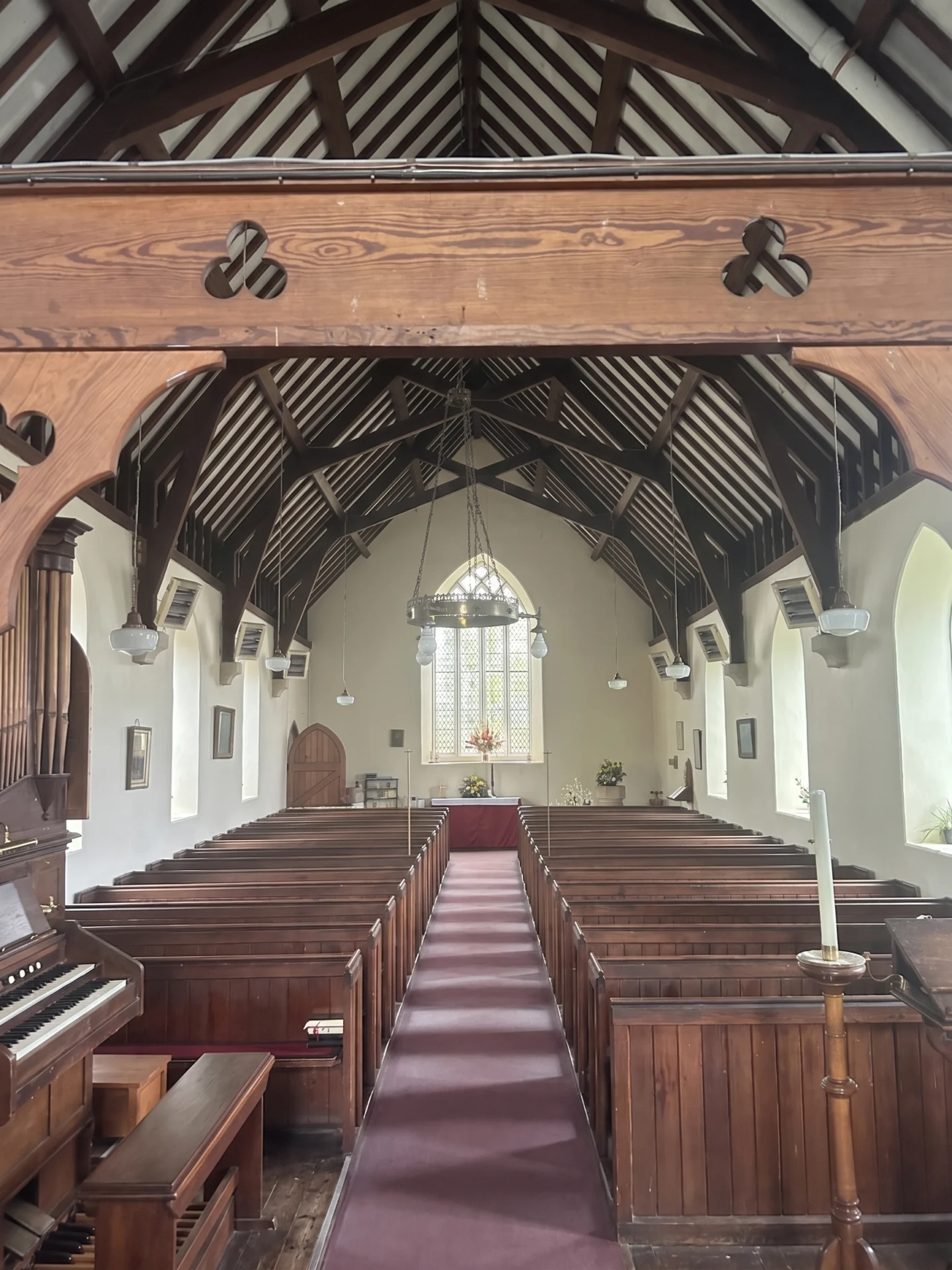
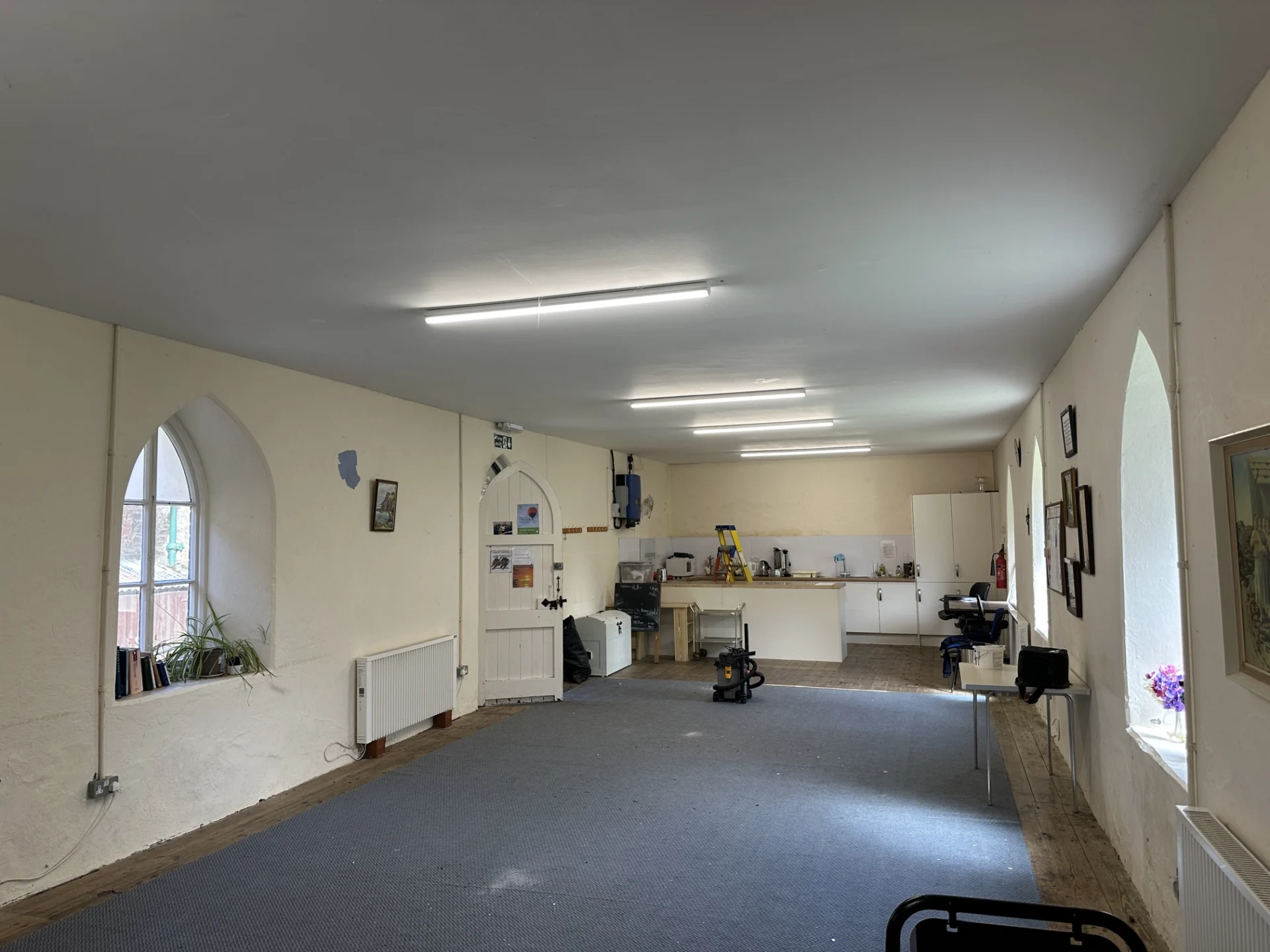
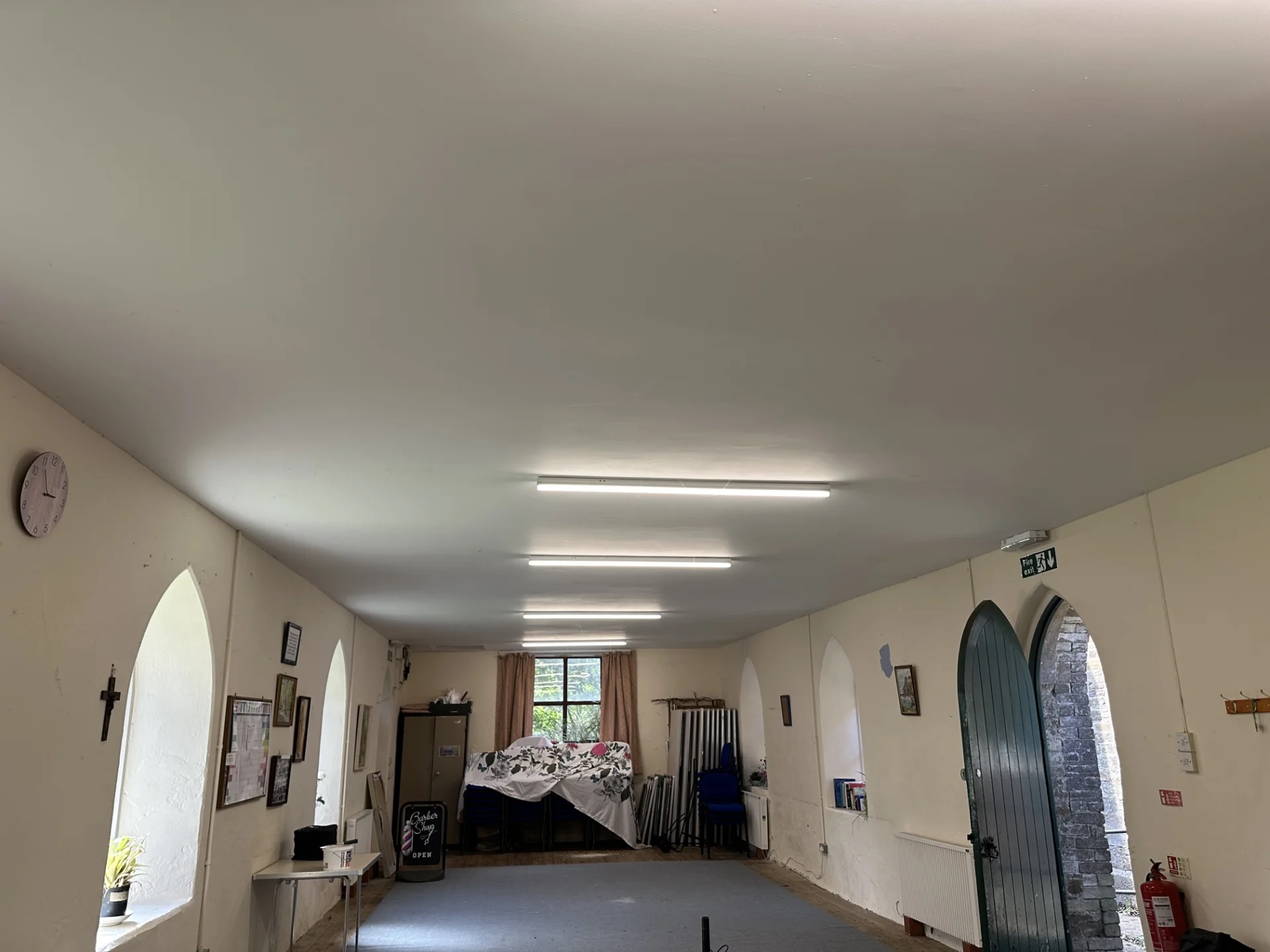
Carrying out an EICR and fluorescent to LED lighting upgrade at a church hall in Mount Hawke, Cornwall - replacing 10 dated fluorescent batten fittings with modern LED alternatives across the main hall and kitchen area.
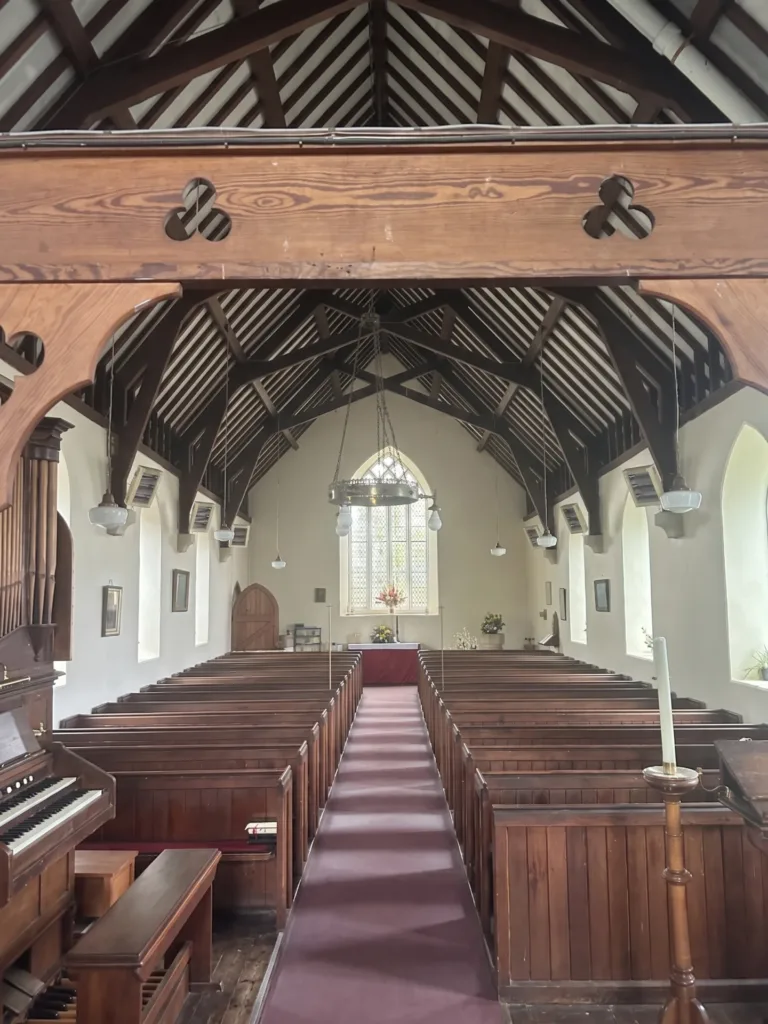
Church halls and community spaces present an interesting challenge when it comes to electrical work. The buildings are often a mix of different eras – original architectural fabric sitting alongside electrical installations that have been added to, modified, and extended over many years. Getting a clear picture of the overall condition of the electrical system is exactly what an Electrical Installation Condition Report (EICR) is designed to do.
This job came to us at a local church hall in Mount Hawke, a village sitting just inland from the north Cornish coast. The scope covered two distinct workstreams: a full EICR of the electrical installation, followed by a fluorescent to LED lighting upgrade across the hall and kitchen areas.
Understanding the EICR Process
An EICR is a formal assessment of an electrical installation carried out by a qualified electrician. The purpose is to determine whether the installation is safe, whether it meets current regulatory standards, and to identify anything that requires attention. The result is a written report that codes any defects or observations according to their severity – from C1 (danger present, requiring immediate action) through to C3 (improvement recommended but not immediately necessary).
For community buildings like church halls, an EICR is particularly relevant. These spaces are used by a wide range of people, often running multiple activities throughout the week, and the electrical system can be subject to more varied use than a straightforward domestic property. Periodic inspection and testing gives the building’s management committee or trustees a documented record of the installation’s condition, which can also be a requirement of insurers or grant-funding bodies.
At Mount Hawke, the testing process required particular care around a number of light switches that had been identified and marked with red tape prior to our visit. These were switches where tripping had been noted, meaning they needed careful attention during circuit testing to avoid causing unnecessary disruption. Taking note of these flagged items before starting any testing is standard practice – it avoids making assumptions and means the testing is carried out with full awareness of any known quirks in the installation.
The EICR covered all circuits in the building. Where installations have grown organically over the years, it’s not unusual to find the circuit count is higher than might be expected – this was something factored into the scope from the outset, with the understanding that any additional circuits found on the day would be picked up accordingly.
The Lighting Upgrade
The second part of the project was the lighting upgrade. The hall was running on fluorescent batten fittings – a technology that served its purpose for decades but has largely been superseded by LED alternatives. The case for switching is straightforward: LED fittings draw considerably less power to produce the same – or better – light output, and they have a far longer operational lifespan than their fluorescent predecessors.
Ten fluorescent battens were removed in total. In their place, five LED battens were installed: four 5ft units positioned perpendicularly to the orientation of the old fittings, and a single 6ft unit mounted centrally above the kitchen area. The change in orientation wasn’t arbitrary – positioning the new fittings perpendicular to the old ones is a deliberate decision that affects how light spreads across the space. Running fittings in a different direction can produce a more even distribution, reducing shadowed patches and making the room feel better lit overall.
One consideration with any lighting swap in an older building is the question of cable entry points. When new fittings have a different profile or mounting position to what came before, there’s a risk that the hole in the ceiling left by the previous fitting won’t be covered by the new one. Rather than leaving exposed cable entries or cutting into the ceiling finish, the solution in these cases is to use a dryline box and blank plate to neatly cover any gaps. It keeps things tidy and means there are no visible signs of where the old fittings sat.
The switching configuration throughout the hall was left as it was. This is worth noting because changes to switching arrangements can sometimes be more disruptive than people expect – rewiring switch drops, repositioning plates, or changing over multi-gang arrangements all add time and cost. Where the existing switching works well and is suitably located, keeping it in place is the practical decision.
The old fluorescent fittings and their associated tubes were taken off site and disposed of at an appropriate waste centre. Fluorescent tubes contain mercury and require correct disposal rather than going into general waste – this isn’t something that can simply be skipped or left for the client to deal with.
Fluorescent vs LED – A Practical Comparison
It’s worth spending a moment on why this kind of upgrade is so common at the moment, particularly in community and commercial buildings. Fluorescent fittings have a lamp life typically in the range of 8,000 to 15,000 hours, and that lifespan degrades over time as lamps lose brightness before they actually fail. LED alternatives generally come in at 30,000 to 50,000 hours or more, meaning the interval between lamp replacements extends significantly.
The energy saving side of things is also real. LED technology converts a much higher proportion of consumed electricity into visible light compared to fluorescent, which loses more energy as heat. For a building that runs regular community activities and may have its lighting on for extended periods, this adds up across the course of a year.
The other factor is that replacement fluorescent tubes are becoming harder to source as the technology is phased out in favour of LED. Buildings that are still running fluorescent systems will eventually find themselves in a position where maintaining those systems becomes increasingly difficult. Getting ahead of that situation by upgrading now removes a future maintenance headache.