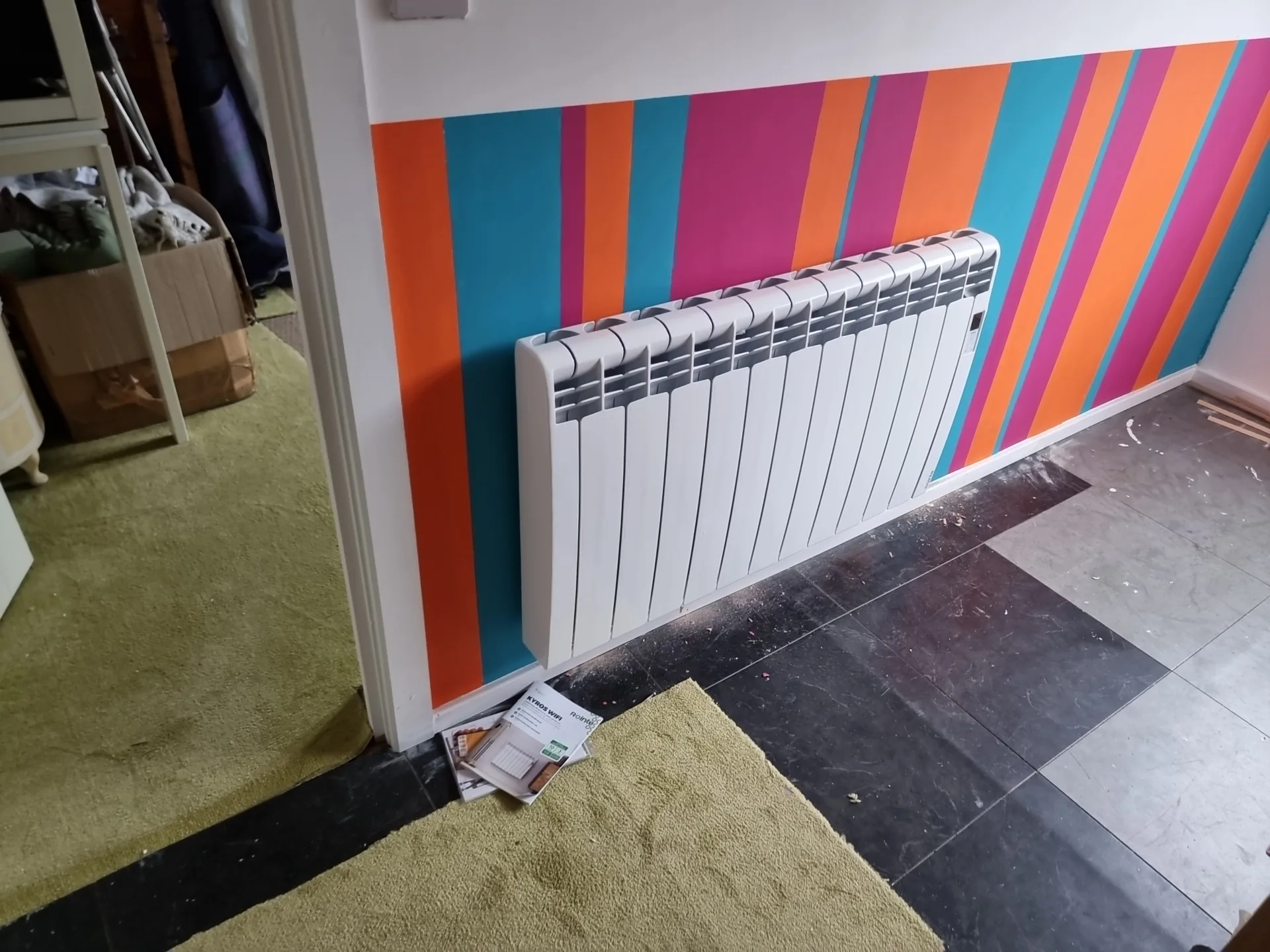
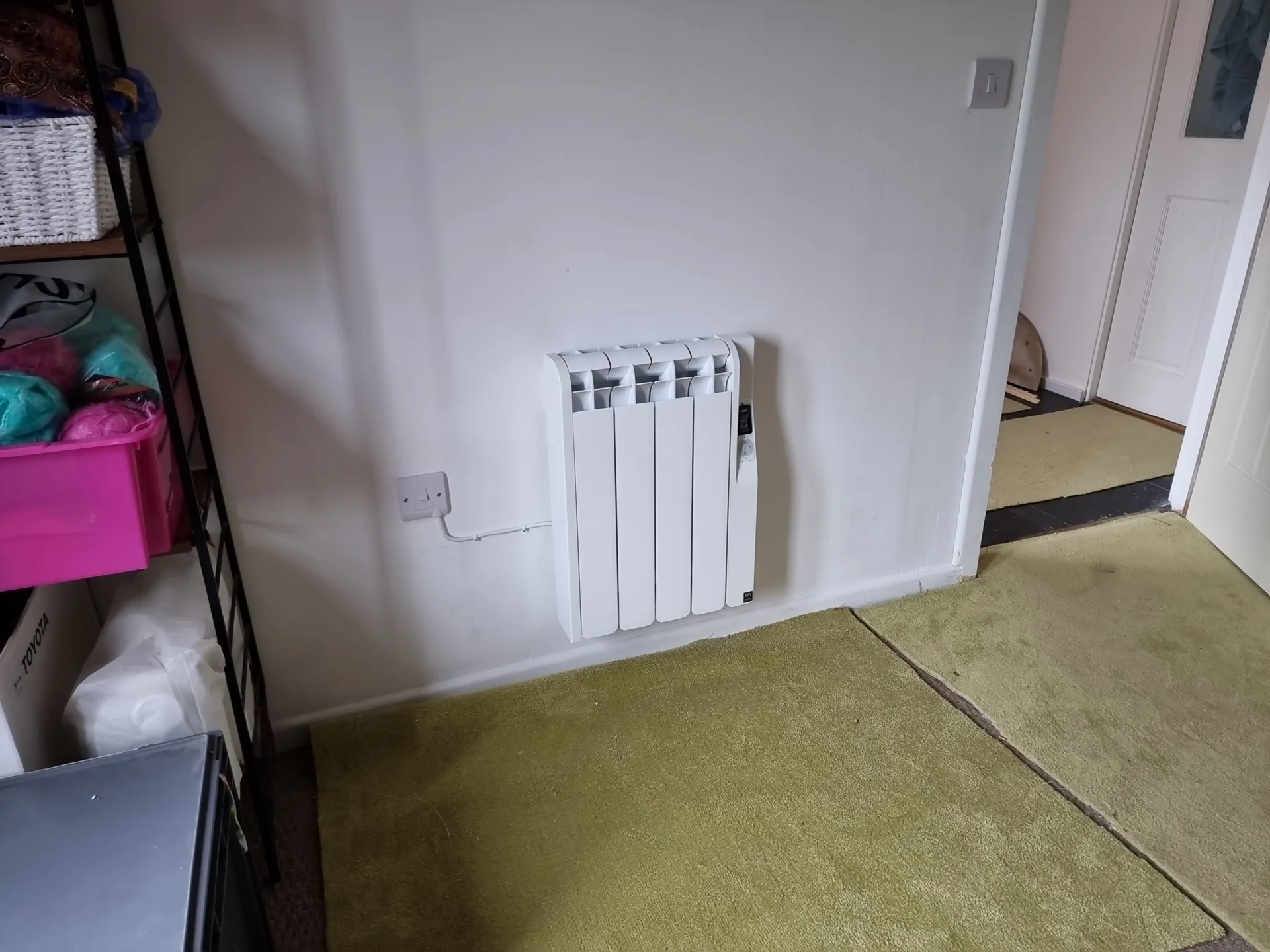
Installation of two Rointe electric radiators in a Newquay property, providing efficient electric heating solutions for a hallway and bedroom with professional fitting and commissioning.
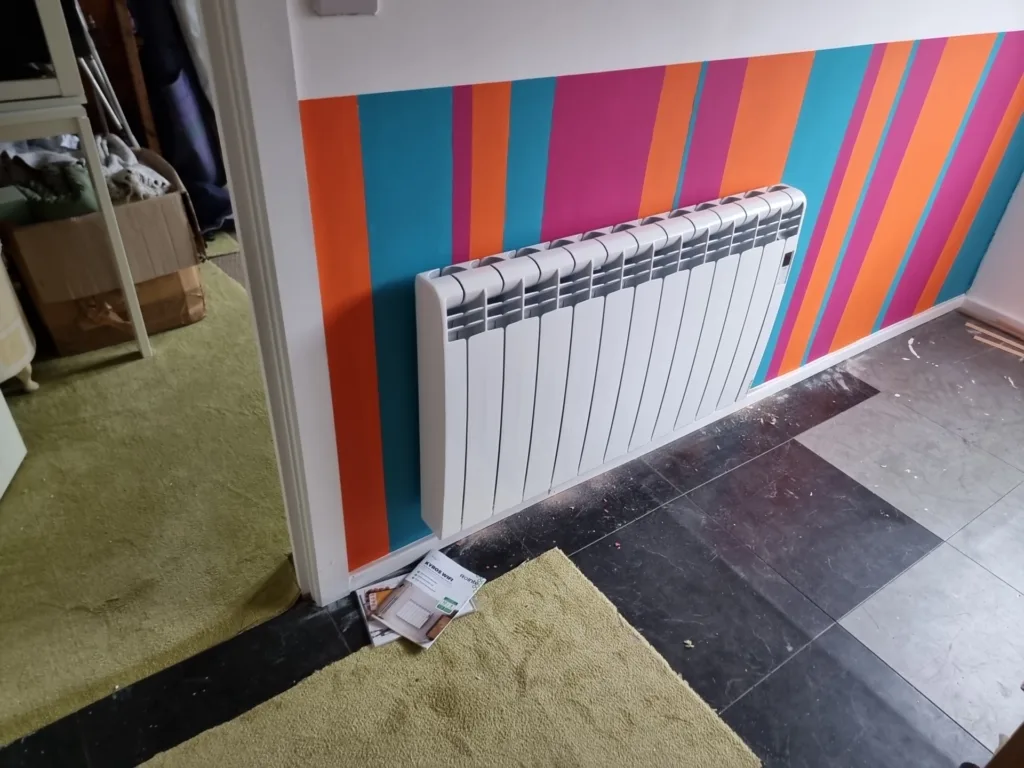
Electric heating continues to be a popular choice for homeowners across Cornwall, particularly in properties where extending traditional central heating systems isn’t practical or cost-effective. This Newquay installation involved fitting two Rointe electric radiators, providing controllable warmth in specific areas of the home without the need for extensive pipework or boiler modifications.
The property owner wanted to add heating to two spaces that previously lacked any dedicated warmth source. The hallway needed a 1kW unit, whilst a smaller bedroom required a 600W radiator. Both locations had existing electrical outlets already in place, which meant the installation could proceed without major alterations to the property’s electrical infrastructure.
Rointe radiators are known for their build quality and energy efficiency. These units use low-consumption technology combined with precise temperature control, making them a sensible choice for targeted heating. Unlike some electric heaters that simply blast out heat until switched off, modern electric radiators like these maintain consistent temperatures through intelligent thermostatic control. This not only provides better comfort but also helps manage running costs.
The hallway installation required careful consideration of placement. Hallways often suffer from cold draughts, particularly in older properties where front doors might not have the best insulation. Positioning the 1kW unit meant taking into account foot traffic, door swings, and the natural flow of heat through the space. The radiator needed to be mounted securely to the wall at the correct height, both for aesthetic reasons and to allow proper heat distribution. Too low and it’s less effective, too high and it can look out of place.
Electric radiators differ from traditional wet systems in several ways. There’s no water involved, which eliminates any risk of leaks or frost damage. The units heat up relatively quickly compared to conventional radiators waiting for hot water to circulate from a distant boiler. Each radiator operates independently, giving the homeowner complete control over which rooms to heat and when. This zoned approach to heating can be particularly useful in properties where certain rooms are used more frequently than others.
The bedroom installation involved a smaller 600W unit, appropriately sized for the room’s dimensions. Bedrooms typically need less heating capacity than living spaces, and oversizing a radiator in a bedroom can lead to uncomfortably warm nights. The Rointe unit fitted in this room includes programmable settings, allowing the homeowner to schedule heating around their sleep patterns. A bedroom that’s slightly cooler during the night but warm when you’re getting up makes for better sleep quality.
Both radiators were mounted using proper fixings suitable for the wall construction. This isn’t just about drilling a couple of holes and hoping for the best. The weight of the radiator, the type of wall material, and the long-term security of the installation all factor into choosing the right mounting method. Electric radiators are permanent fixtures that need to stay firmly in place for years to come.
The electrical connections were made to the existing outlets at each location. This involved isolating the circuits, making secure connections within the outlet boxes, and testing for proper earthing and polarity. Electric heating appliances draw significant current, so all connections must be sound and compliant with current wiring regulations. The existing circuits were verified as suitable for the additional load before the radiators were connected.
Once physically installed, each radiator needed commissioning. This process involves powering up the unit, checking that all controls respond correctly, and programming the initial settings. Modern electric radiators have various modes and functions, from open window detection to adaptive start technology. Taking time to set these up properly during commissioning means the homeowner gets the best performance from day one.
The hallway radiator, being the larger of the two, provides a welcoming warmth when entering the property. Hallways can be overlooked when it comes to heating, yet they’re transitional spaces that benefit greatly from maintaining a comfortable temperature. Cold hallways make the whole house feel chillier, and during winter months, a heated hallway prevents that shock of cold air when moving between rooms.
In the bedroom, the smaller radiator offers just enough warmth without dominating the space. Bedroom heating needs to be subtle and controllable. The ability to set different temperatures for different times of day gives real flexibility. Many people prefer a cooler room for sleeping but appreciate warmth in the morning when getting dressed. The programmable nature of these radiators accommodates those preferences without any manual intervention.
Electric radiators appeal to homeowners for various reasons. Some properties simply don’t have gas supply, making oil or electric heating the only realistic options. Others have gas central heating but need supplementary heat in specific rooms – perhaps an extension, a converted garage, or a room that never quite gets warm enough from the existing system. Adding another radiator to a wet system involves draining down, cutting into pipes, and potential complications. An electric radiator bypasses all that complexity.
The Rointe brand specifically offers wifi connectivity options, though whether this client opted for that feature isn’t something we’d discuss here. What matters is that the radiators are properly installed, safely connected, and ready to provide reliable heat when needed. The combination of quality products and proper installation gives homeowners confidence that their heating will perform as expected.
Energy efficiency matters to most homeowners now, both for cost reasons and environmental concerns. Electric heating gets unfairly criticised sometimes, often based on outdated perceptions from old storage heaters that were inefficient and difficult to control. Modern electric radiators are different. They heat up quickly, maintain precise temperatures, and can be controlled room by room rather than heating the whole house unnecessarily.
Installation work in occupied homes requires consideration beyond just the technical aspects. Minimising disruption, keeping work areas tidy, and completing the job in a reasonable timeframe all contribute to a positive experience for the homeowner. These radiator installations could be completed efficiently since the electrical infrastructure was already suitable, meaning no major upheaval for the household.
Both radiators are now providing controllable, efficient heating exactly where the homeowner wanted it. The hallway remains comfortable year-round, and the bedroom benefits from heating that can be tailored to personal preferences. It’s straightforward work done properly, giving the client exactly what they needed without unnecessary complications.