Electrical Installation Condition Reports represent a fundamental component of property safety management, providing homeowners and landlords with detailed assessments of their electrical systems. These comprehensive inspections examine every aspect of an electrical installation, from the consumer unit and protective devices through to individual circuits and their associated components.
The inspection process involves methodical testing of all electrical circuits, protective devices, and safety systems within the property. Modern consumer units feature multiple layers of protection including residual current devices (RCDs) and miniature circuit breakers (MCBs) that work together to prevent electrical hazards. During an EICR, each of these protective devices undergoes rigorous testing to verify proper operation and response times.
Circuit integrity forms another critical aspect of the inspection process. Every electrical circuit receives individual attention, with continuity testing, insulation resistance measurements, and earth fault loop impedance checks performed to British Standards requirements. These tests reveal potential issues that might not be immediately apparent during normal use but could pose safety risks over time.
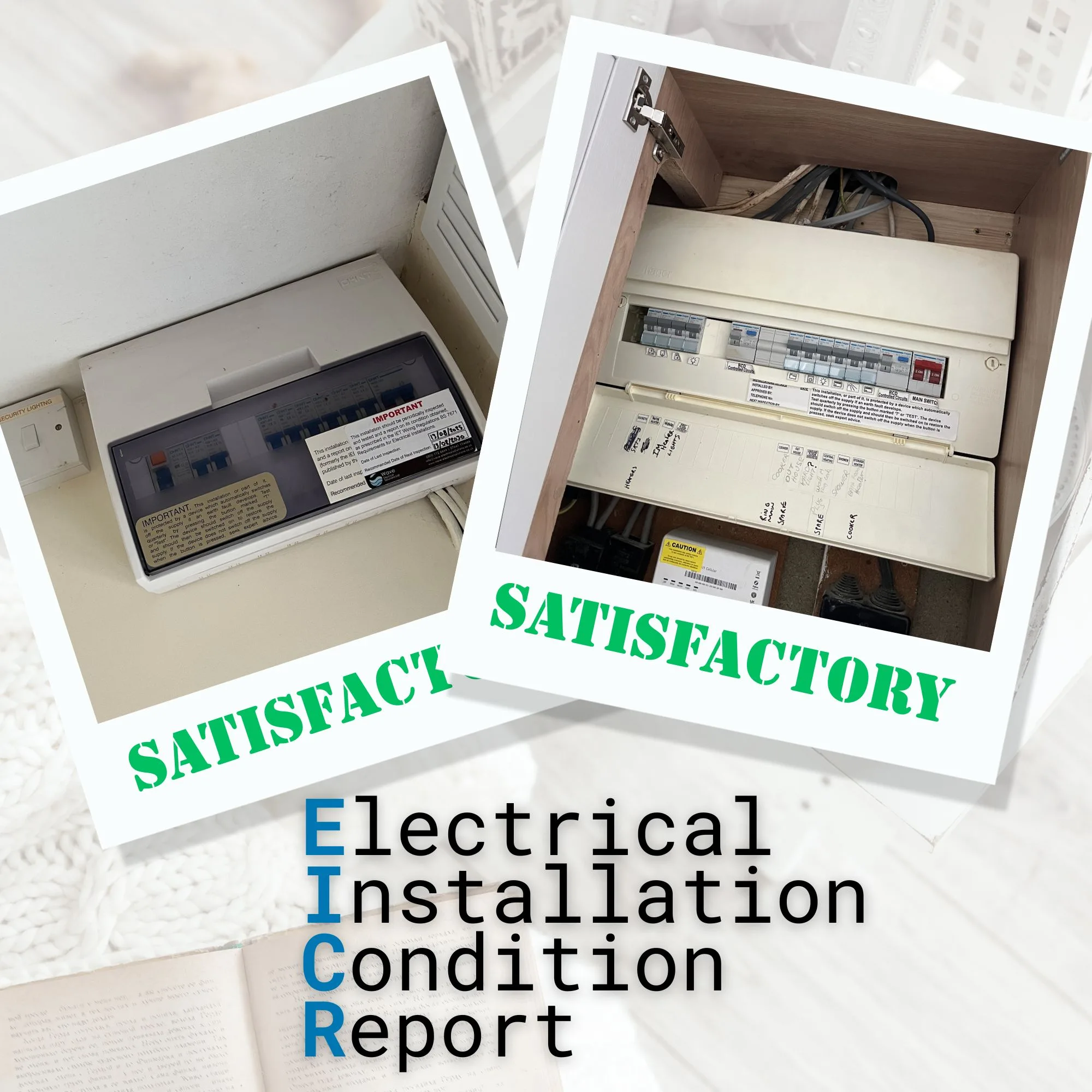
Consumer units themselves undergo detailed examination during the EICR process. The inspection covers the condition of all internal components, proper labelling of circuits, and verification that protective devices match the circuits they protect. Older installations often reveal interesting contrasts with modern safety standards, highlighting how electrical regulations have evolved to improve safety.
The documentation process during an EICR provides property owners with comprehensive records of their electrical installation’s condition. Each circuit receives detailed assessment, with any observations or recommendations clearly documented. This systematic approach helps property owners understand their electrical system’s current state and any maintenance requirements.
Safety switches and protective devices undergo functional testing to verify they operate within specified parameters. RCD testing confirms these life-saving devices will disconnect power quickly enough to prevent serious injury in fault conditions. The testing process uses calibrated equipment to measure actual disconnection times against regulatory requirements.
Electrical installations in residential properties typically include lighting circuits, power circuits, and dedicated supplies for high-power appliances. Each circuit type has specific testing requirements during an EICR, with particular attention paid to areas where electrical safety is most critical, such as bathrooms and kitchens.
Modern electrical installations benefit from improved safety devices compared to older systems. Split-load consumer units with RCD protection on all circuits provide enhanced safety compared to traditional fuse boxes. The EICR process evaluates whether existing protection meets current safety expectations, even if the installation complies with regulations from its installation period.
The inspection covers earthing and bonding arrangements, which provide crucial safety functions in electrical installations. Proper earthing creates safe paths for fault currents, while equipotential bonding reduces risks from potential differences between metalwork. These systems require specific testing procedures to verify their effectiveness.
Circuit labelling and documentation receive attention during EICR inspections, as clear identification of circuits aids both safety and maintenance. Well-labelled consumer units help homeowners and future electricians understand the installation layout, reducing risks during maintenance or emergency situations.
The condition of wiring accessories, including sockets, switches, and junction boxes, forms part of the comprehensive inspection process. Visual inspection combined with appropriate testing reveals whether these components remain in satisfactory condition or require attention.
Property owners benefit from EICR inspections through improved safety awareness and maintenance planning. The detailed report provides a roadmap for maintaining electrical safety, with clear prioritisation of any required work. Understanding the electrical installation’s condition helps inform decisions about upgrades or modifications.
The satisfactory outcome of electrical inspections provides confidence in the installation’s safety and compliance. This certification offers peace of mind for property owners and meets regulatory requirements for rental properties where periodic inspection is mandatory.
Regular electrical inspections contribute to long-term property maintenance strategies. By identifying potential issues before they become serious problems, EICR inspections help prevent costly emergency repairs and maintain electrical safety standards. The systematic approach to electrical assessment provides property owners with professional insights into their electrical systems’ condition and ongoing requirements.