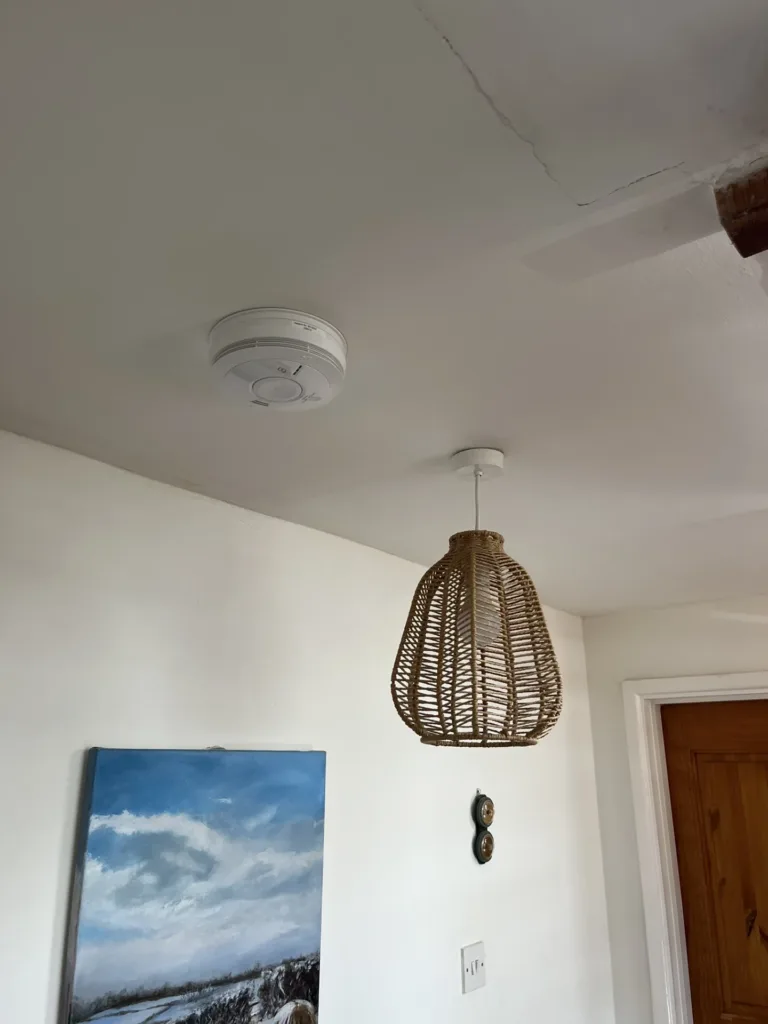
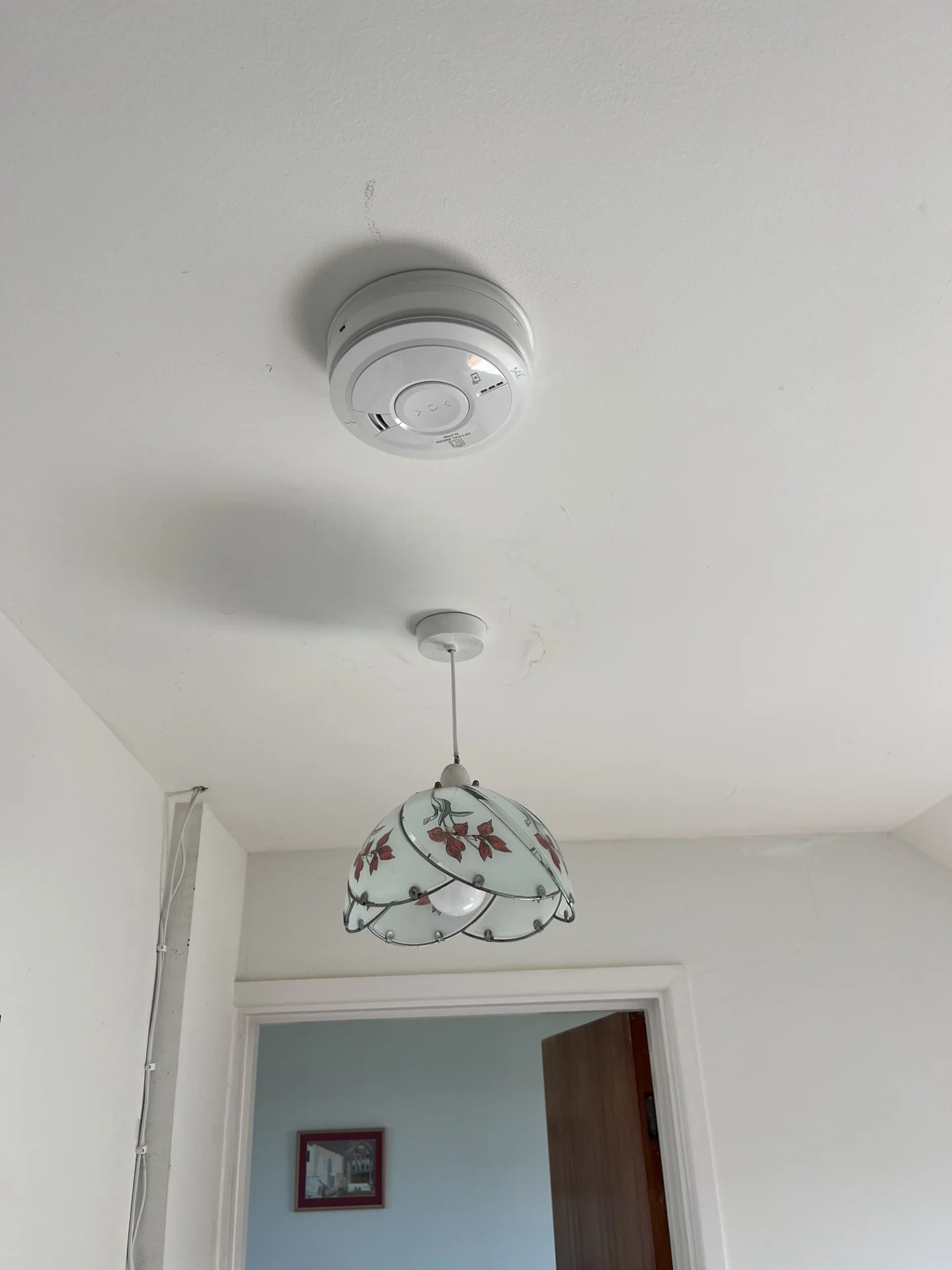
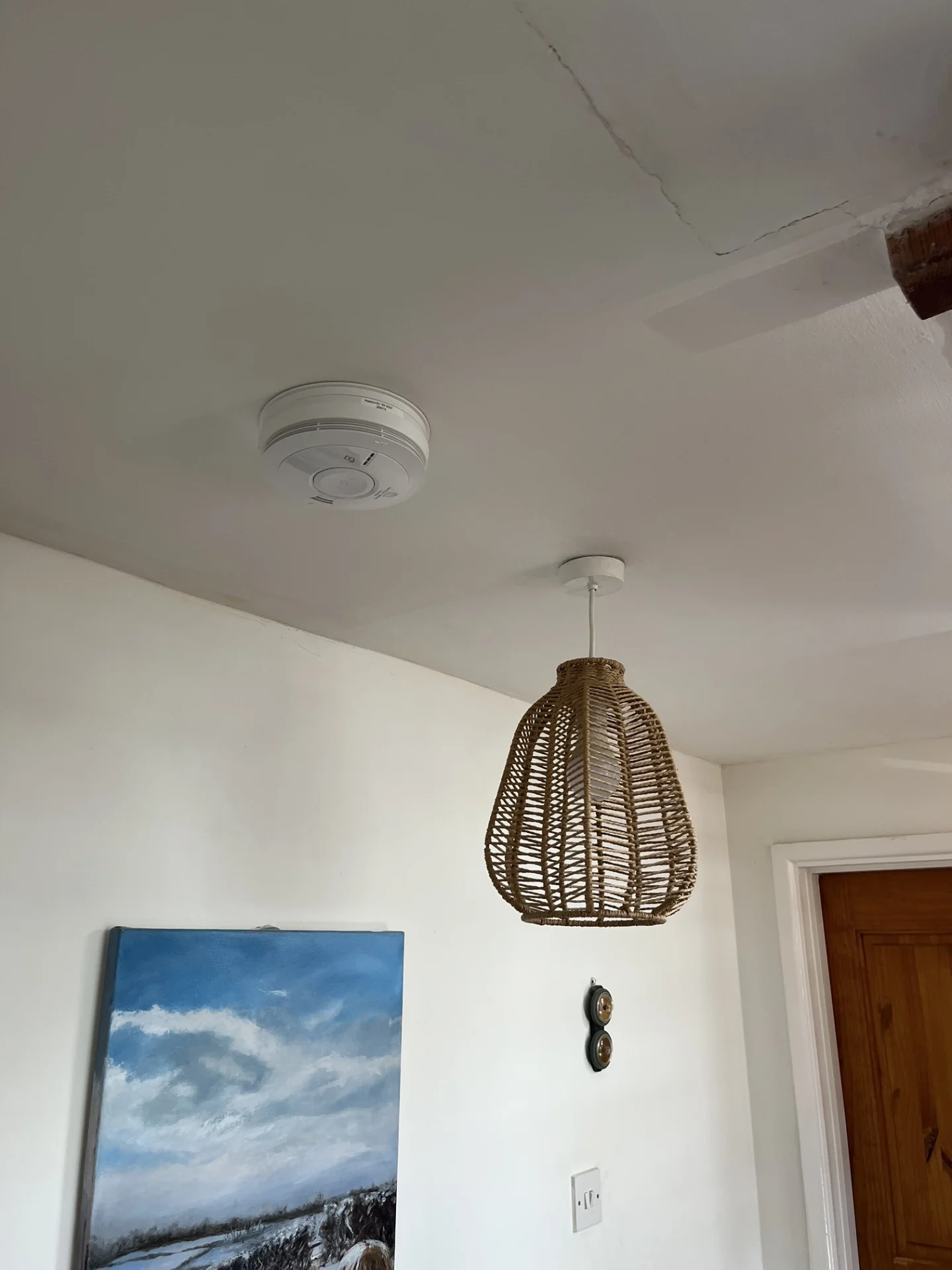
Electrical safety in a home isn’t always visible until something goes wrong – which is exactly why periodic inspection and testing matters. This property in Padstow came to us needing a thorough look at the state of its electrical installation, alongside a couple of other safety items that had been flagged. The result was a visit that covered three distinct but connected areas of work: a full EICR, new smoke alarms for the hallway and landing, and PAT testing of the appliances throughout the property.
The EICR
An Electrical Installation Condition Report is the recognised way to assess the safety and condition of a property’s fixed wiring and circuits. The inspection involves testing every circuit in the installation – checking things like insulation resistance, earth continuity, polarity, and the condition of the consumer unit and associated components – before producing a written report with any observations or required remedial actions.
For this property, the inspection covered the full circuit count across the installation. Where an EICR reveals issues, these are categorised by severity: a C1 means danger is present and requires immediate attention, a C2 denotes a potentially dangerous condition that needs addressing promptly, and a C3 indicates an improvement is recommended but isn’t a safety failure. The report gives the property owner a clear picture of where things stand, and for landlords, a satisfactory EICR is a legal requirement before a tenancy can begin.
The inspection in Padstow was carried out systematically, with each circuit tested and recorded. Once the on-site work was complete, the findings were compiled into the formal report and issued to the customer.
Smoke Alarm Replacement
The existing smoke alarms in the hallway and landing were due for replacement. Smoke alarms have a finite service life – most manufacturers recommend replacing units after ten years, though some models may reach the end of their reliable working life sooner. Beyond age, the technology in modern alarms has improved considerably, and mains-powered interlinked units offer a level of reliability that older battery-only alarms simply can’t match.
The new alarms installed here are 230V mains-powered units. Being wired directly into the property’s electrical supply means there’s no reliance on a battery that could run flat unnoticed. Interlinking is the other key feature – when one alarm detects smoke and triggers, every alarm in the interlinked circuit sounds simultaneously. In a two-storey property, that means someone in a bedroom at the back of the house will hear an alarm that’s been triggered by an incident near the front door or in a downstairs room. It’s a meaningful practical difference, particularly when people are asleep.
The installation made use of the existing supply and interconnecting wiring, which was assessed as suitable for the new units. Both alarms were fitted, tested, and confirmed to be operating correctly before the job was signed off.
PAT Testing
Portable Appliance Testing – PAT testing – is the process of checking electrical appliances to confirm they’re safe for continued use. It covers both a visual inspection of the appliance, its cable, and its plug, and a series of electrical tests using a PAT tester. The tests vary depending on the class of appliance, but typically include checks on earth continuity, insulation resistance, and lead polarity.
Twenty-three appliances were tested at this property. Each item is recorded individually, with the test result logged against it. Appliances that pass receive a label showing the date of the test and when the next test is due. Any item that fails is identified and can be taken out of use before it causes a problem.
PAT testing is often associated with commercial or business premises, but it’s equally relevant in domestic settings – particularly rental properties, houses in multiple occupation, or anywhere an electrical safety audit is being carried out as part of a broader inspection programme. Testing alongside the EICR made sense here, giving the property owner a comprehensive safety picture in a single visit.
Padstow and the wider area
We cover properties throughout the Padstow area and across North Cornwall, taking on domestic electrical work ranging from full rewires and consumer unit replacements through to targeted safety work like this. Properties in older coastal settlements often have electrical installations that predate modern wiring standards, making periodic inspection and testing particularly worthwhile.