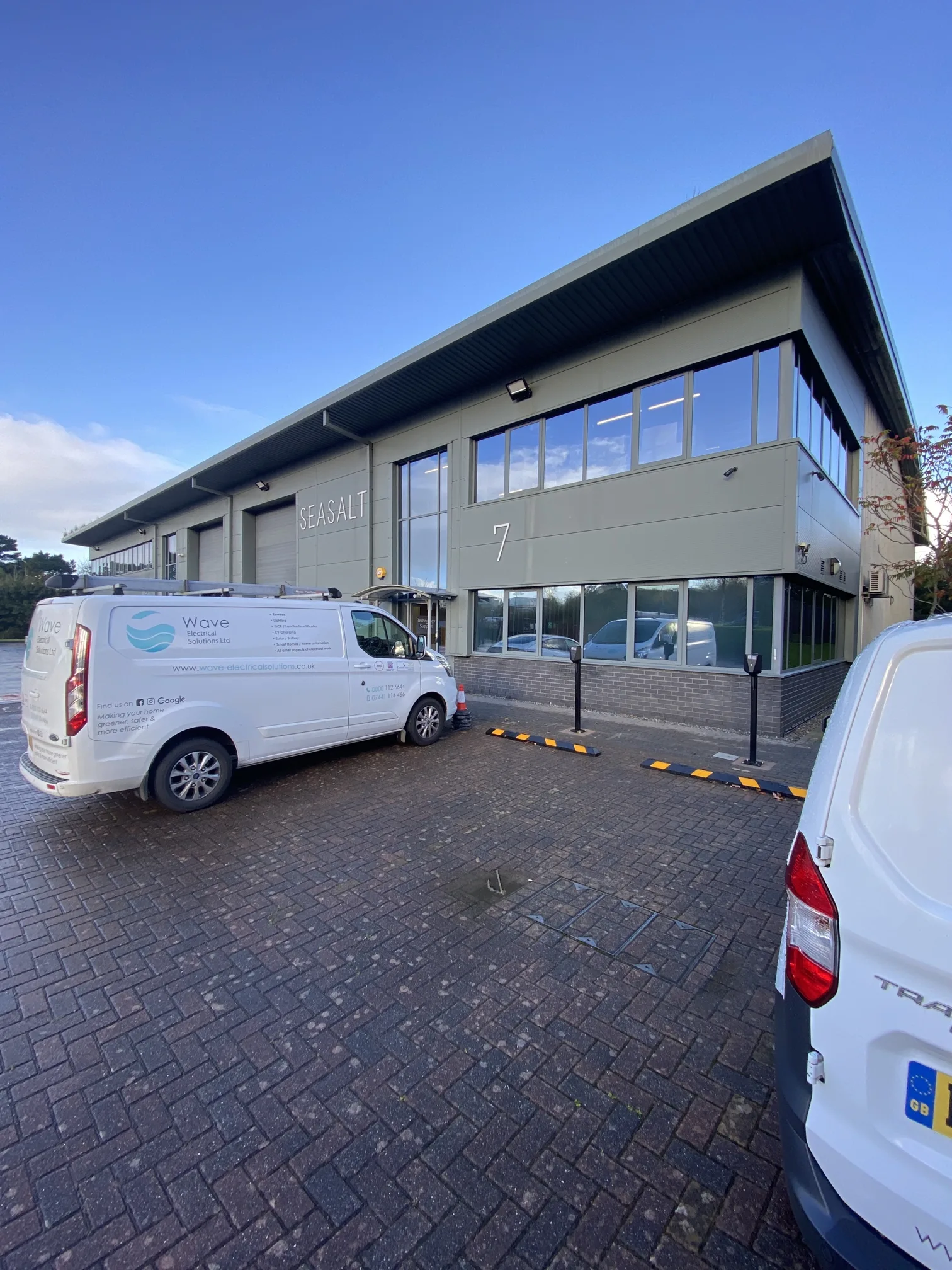
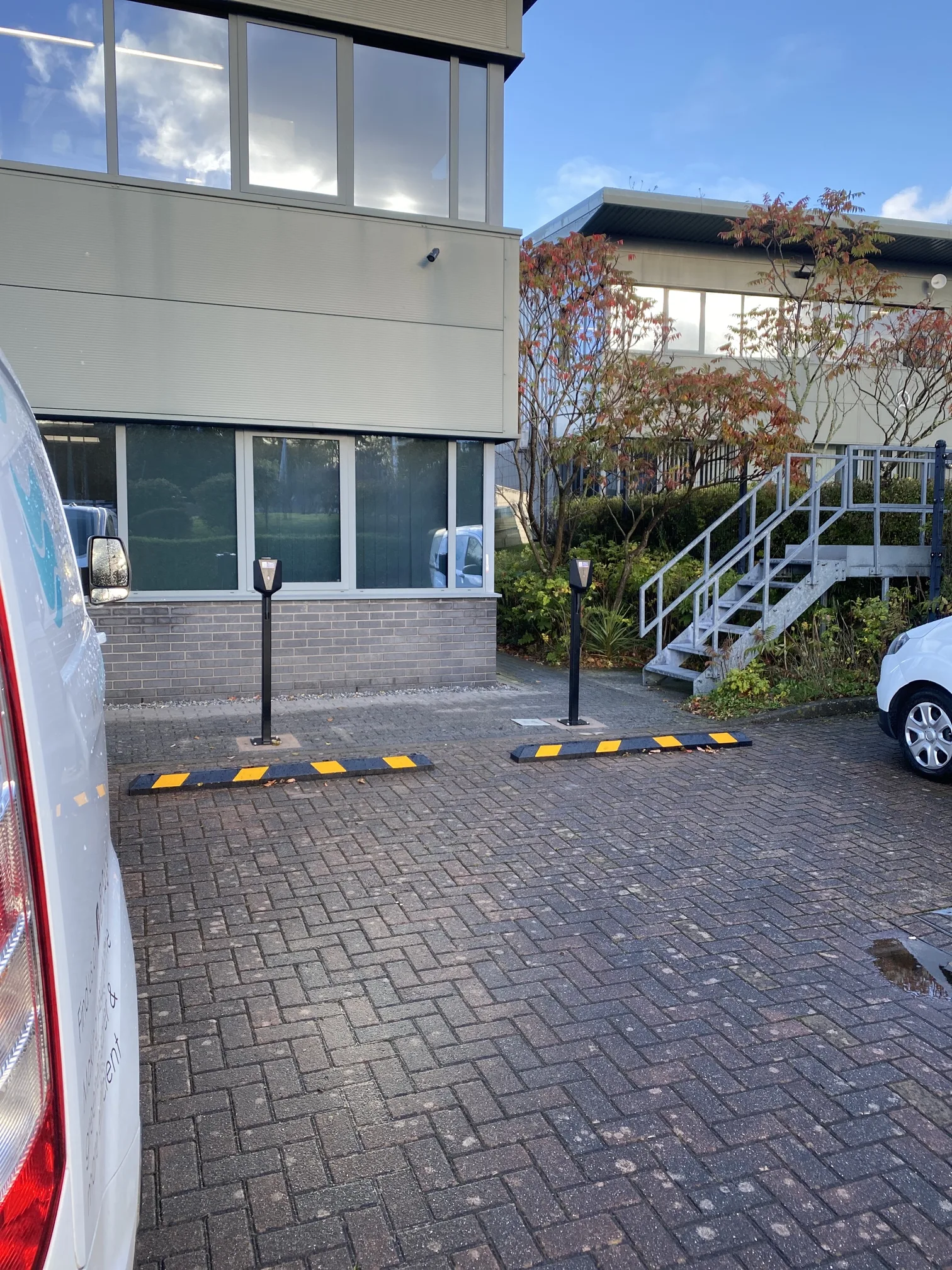
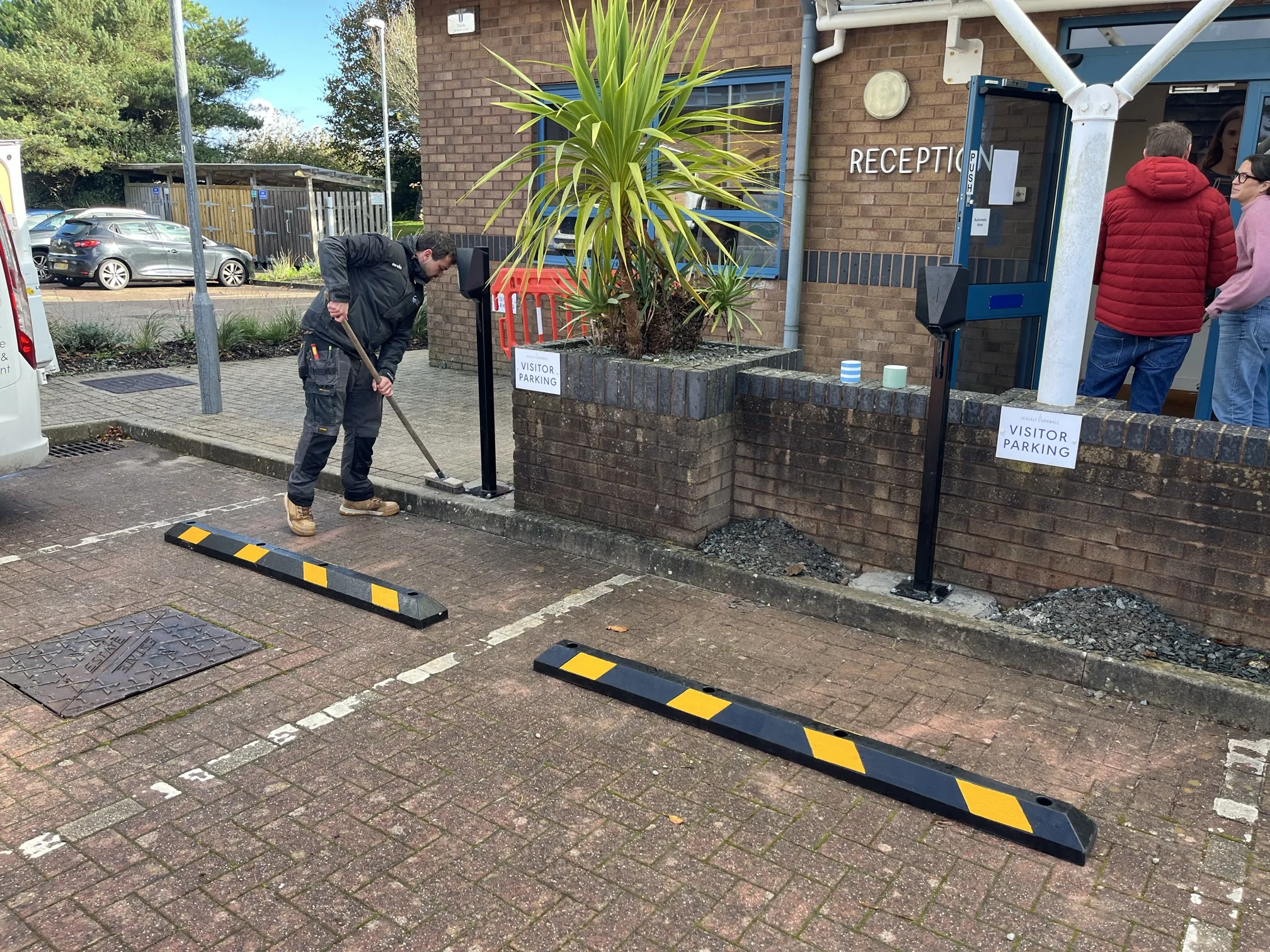
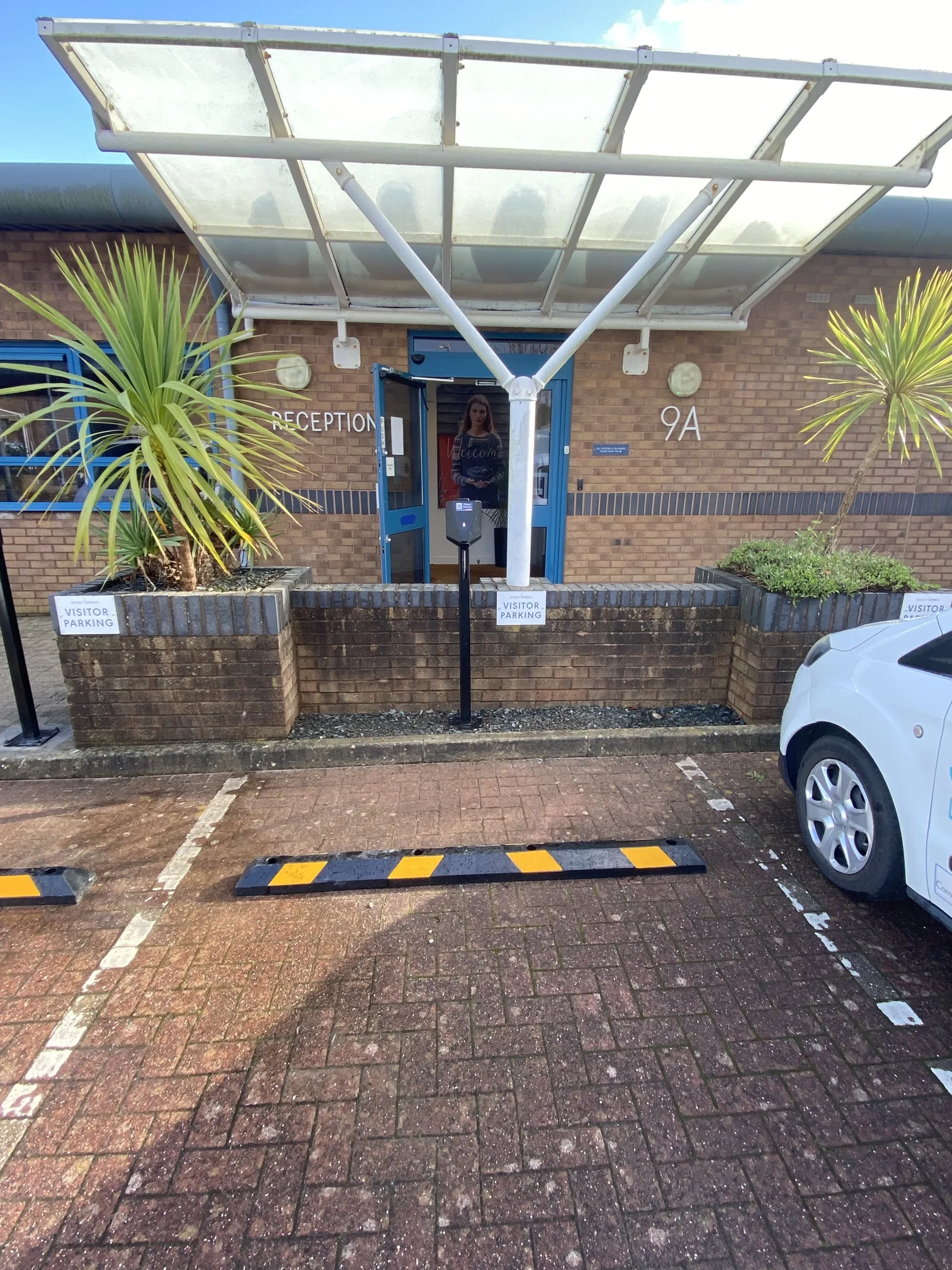
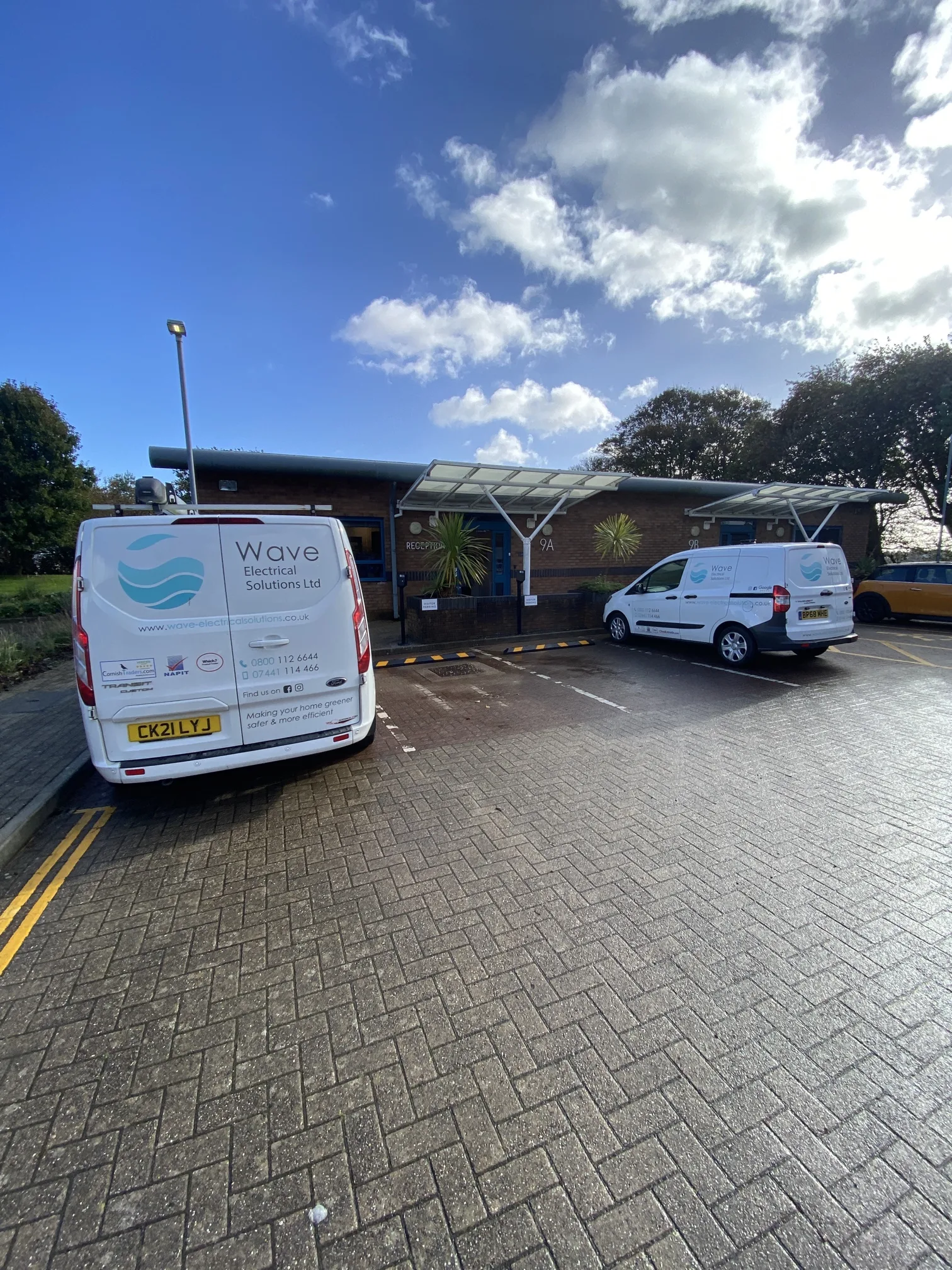
Installing four Easee One electric vehicle charge points across two Seasalt industrial sites in Falmouth and Redruth, complete with payment systems and load balancing technology to support sustainable transport infrastructure.
The transition to electric vehicles continues to reshape how businesses approach their facilities, and industrial estates across Cornwall are adapting to meet this shift. Seasalt required modern charging infrastructure across two of their business park locations in Falmouth and Redruth that would serve staff, visitors, and future tenants whilst protecting the existing electrical systems from overload.
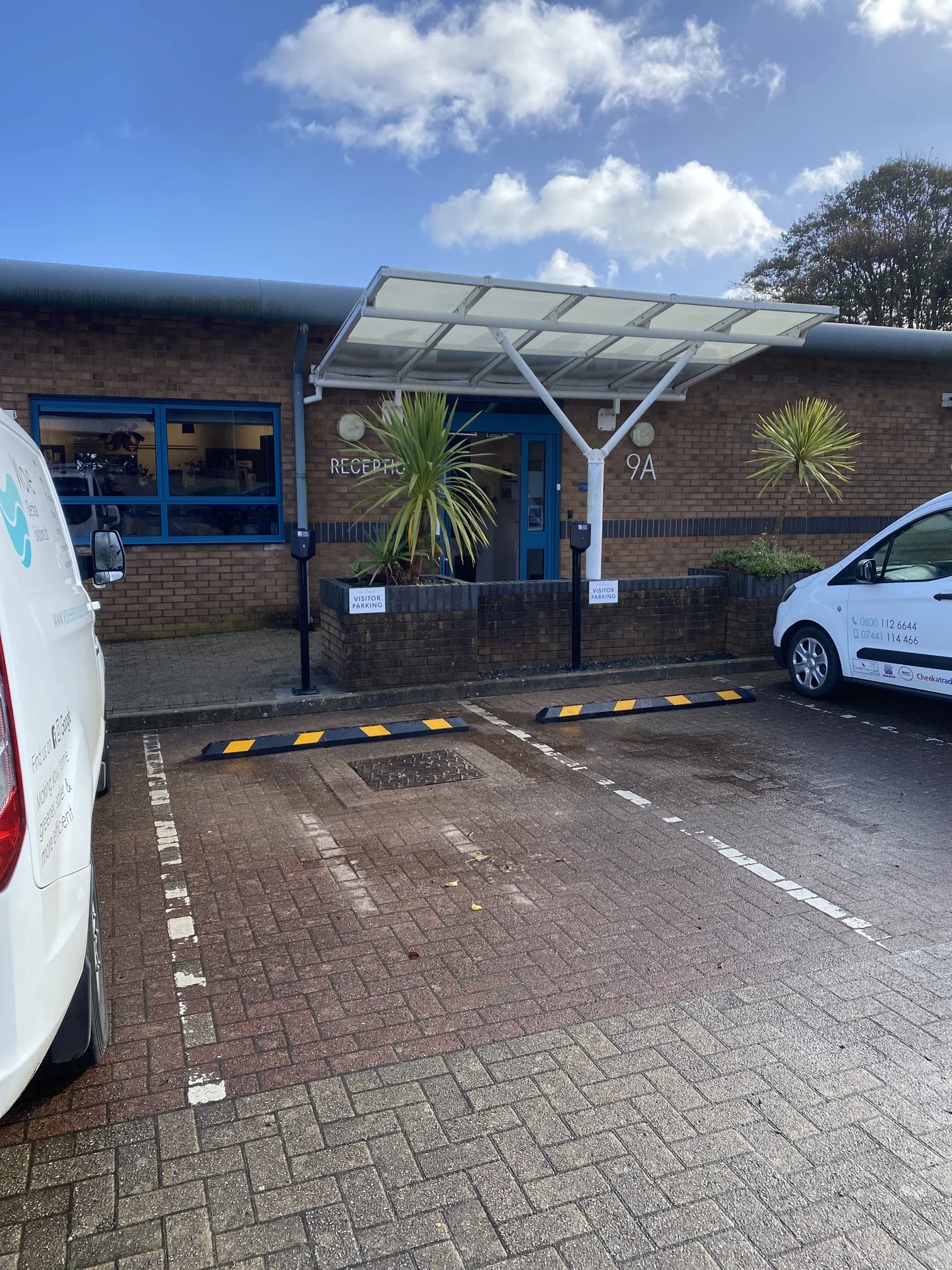
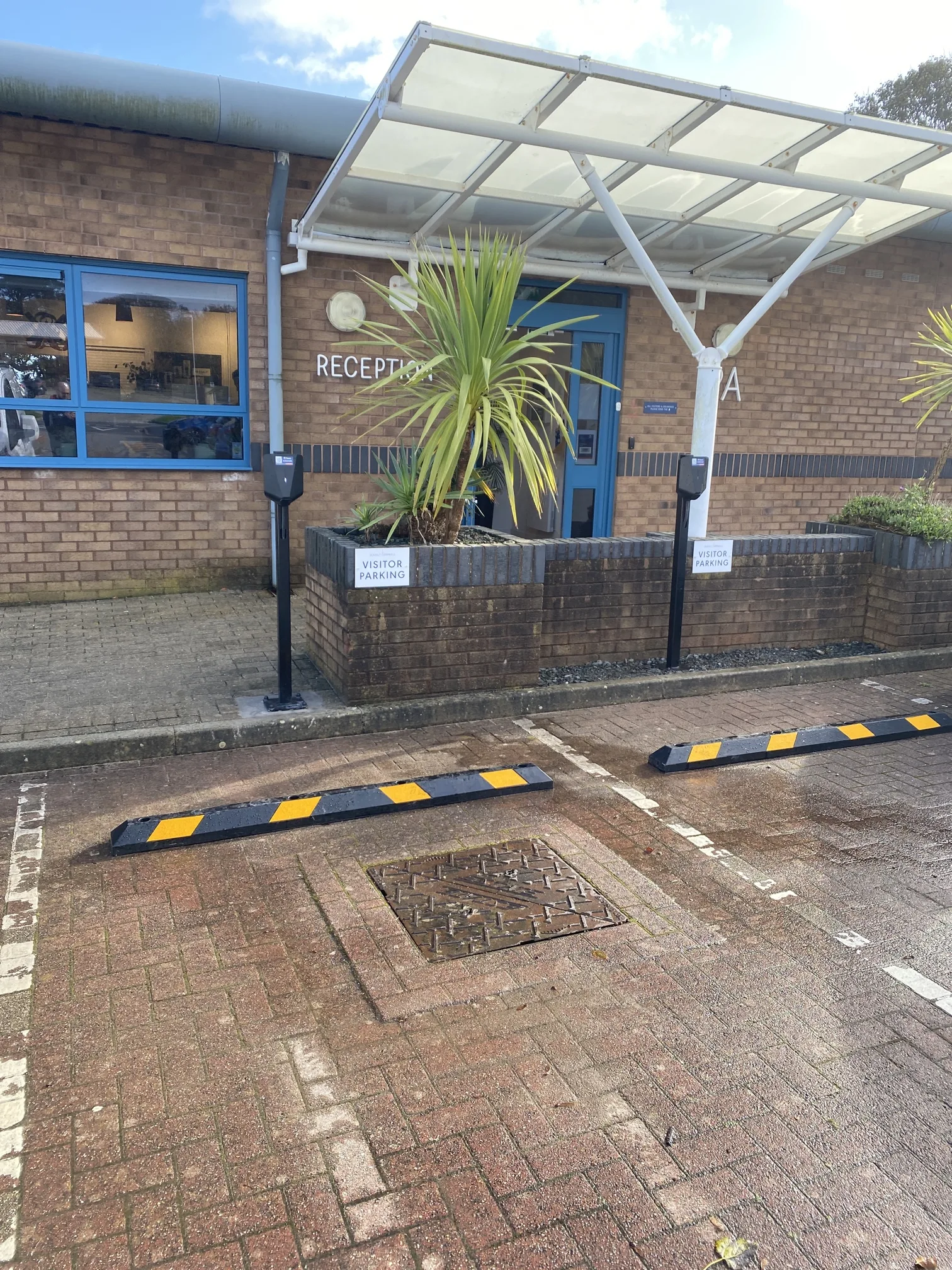
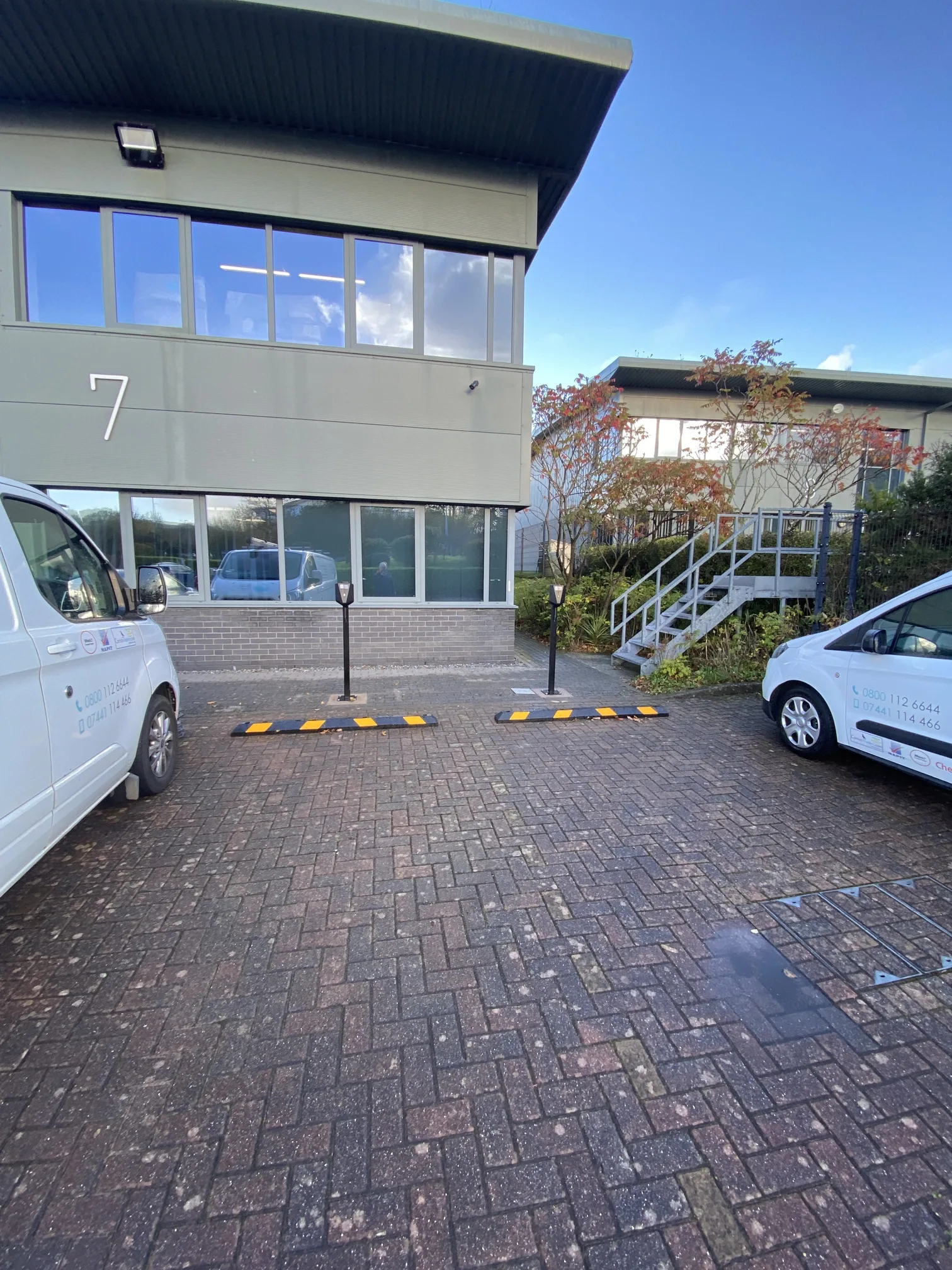
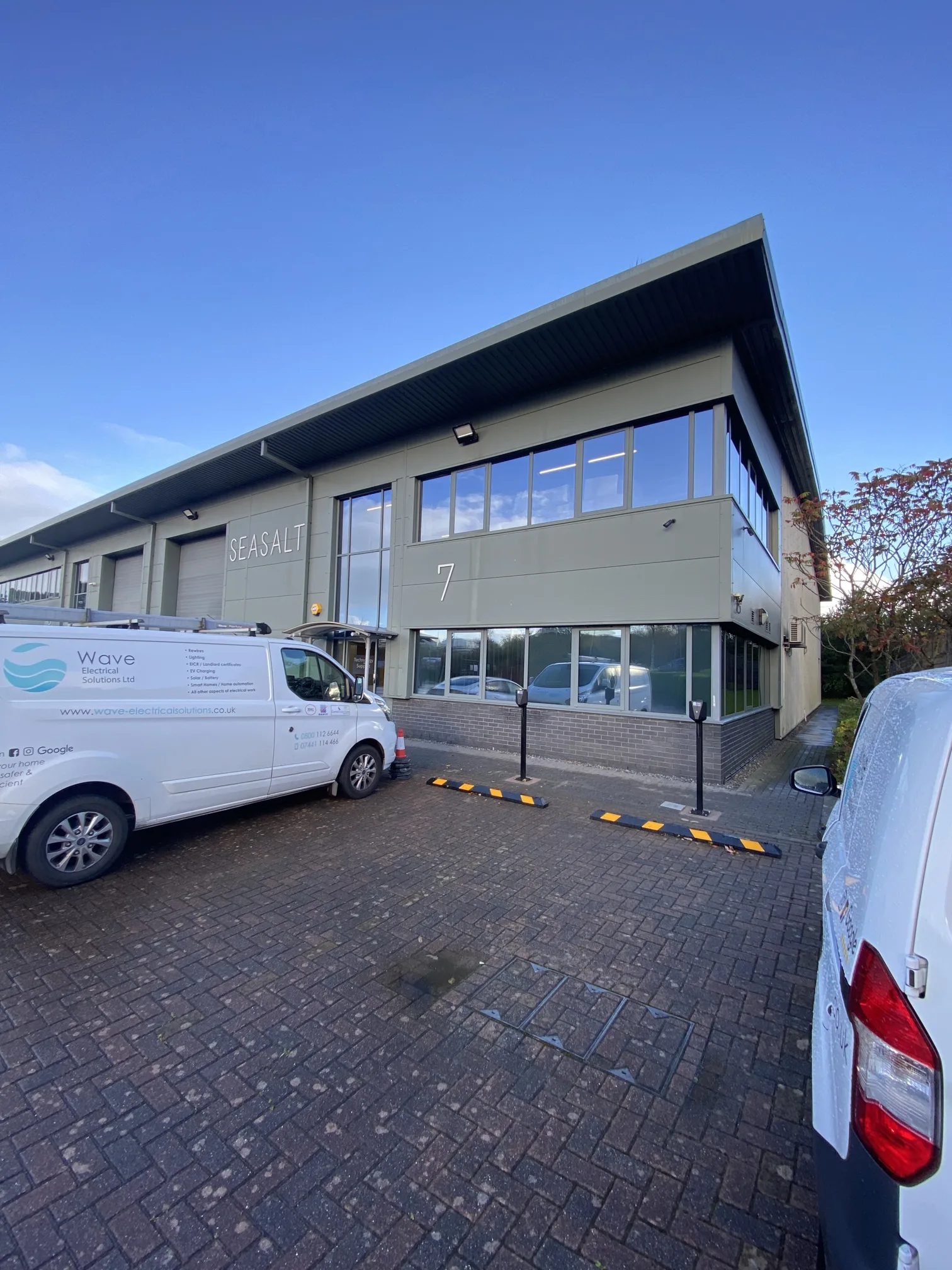
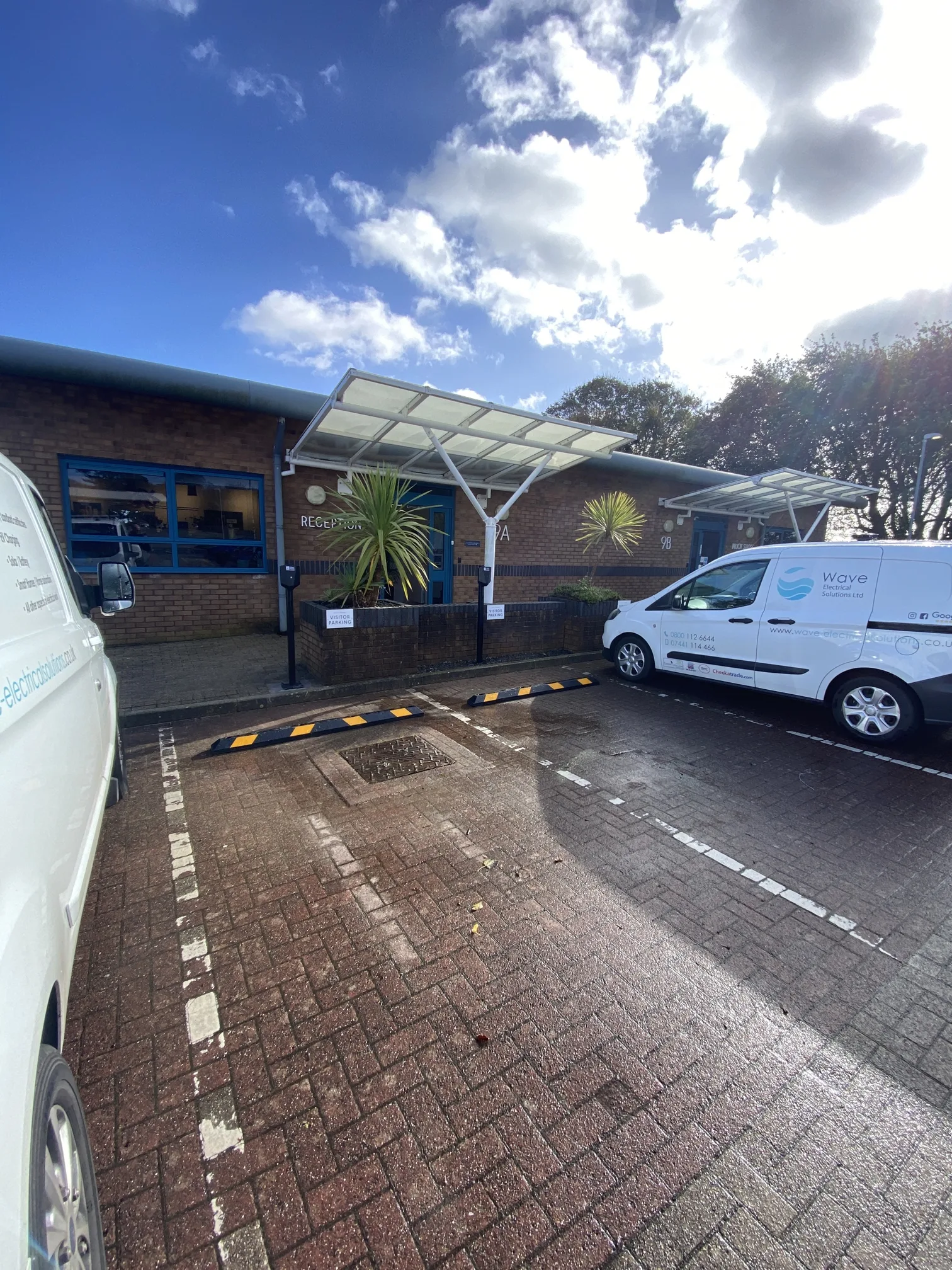
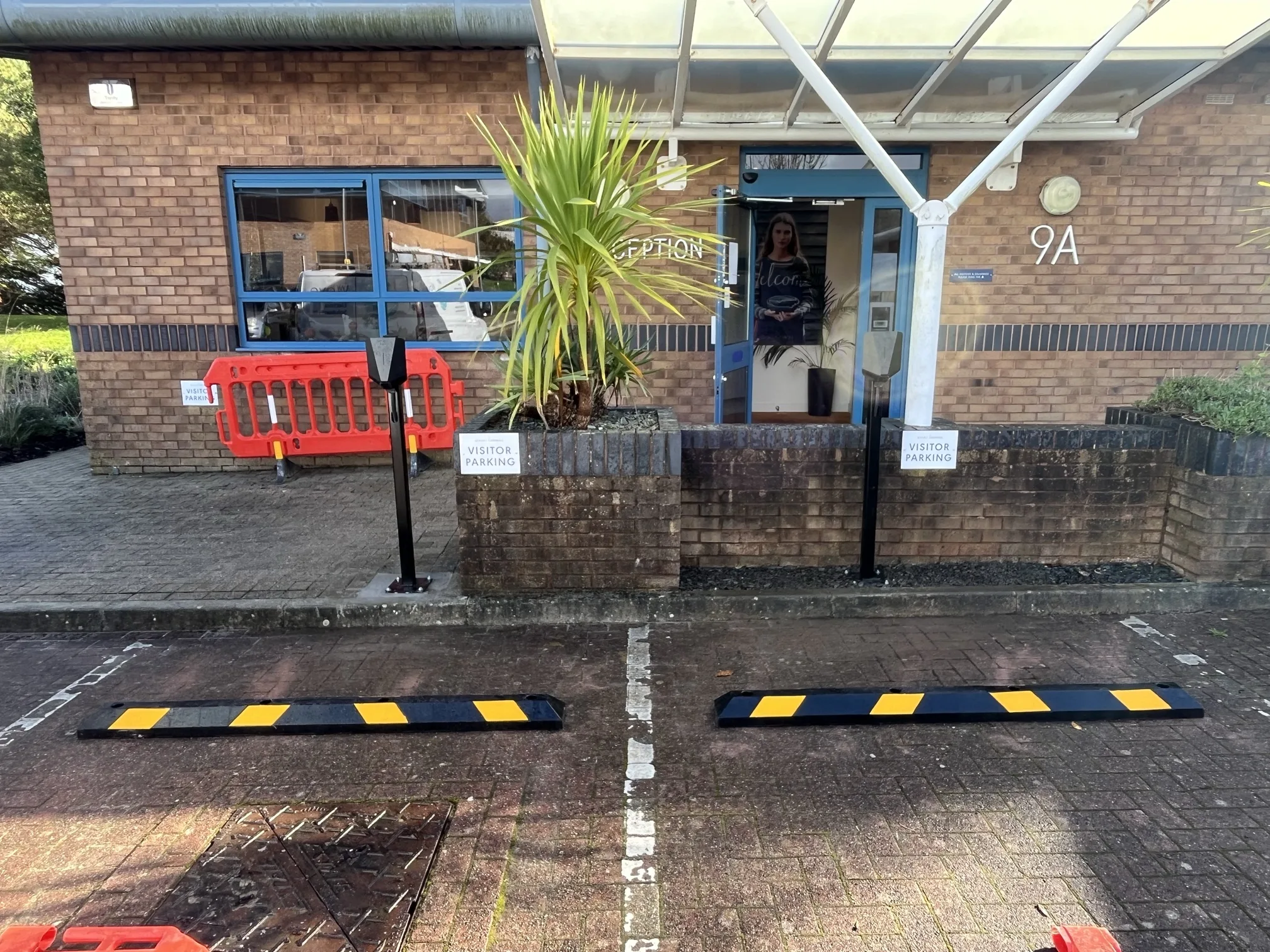
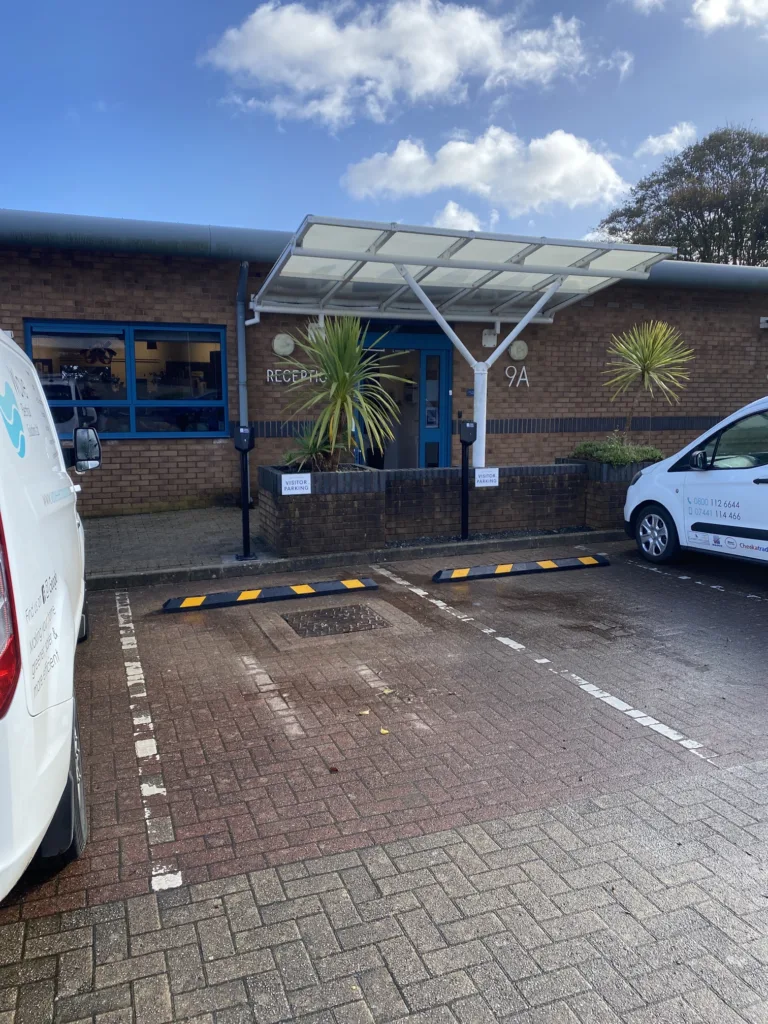
Working across both locations meant coordinating different power requirements and site conditions. The Falmouth Business Park needed two 7.4kW charge points positioned directly outside the main reception area, whilst the Treleigh Industrial Estate in Redruth required faster 22kW charging capability. Both installations demanded careful planning around existing services, block paving pathways, and daily site operations.
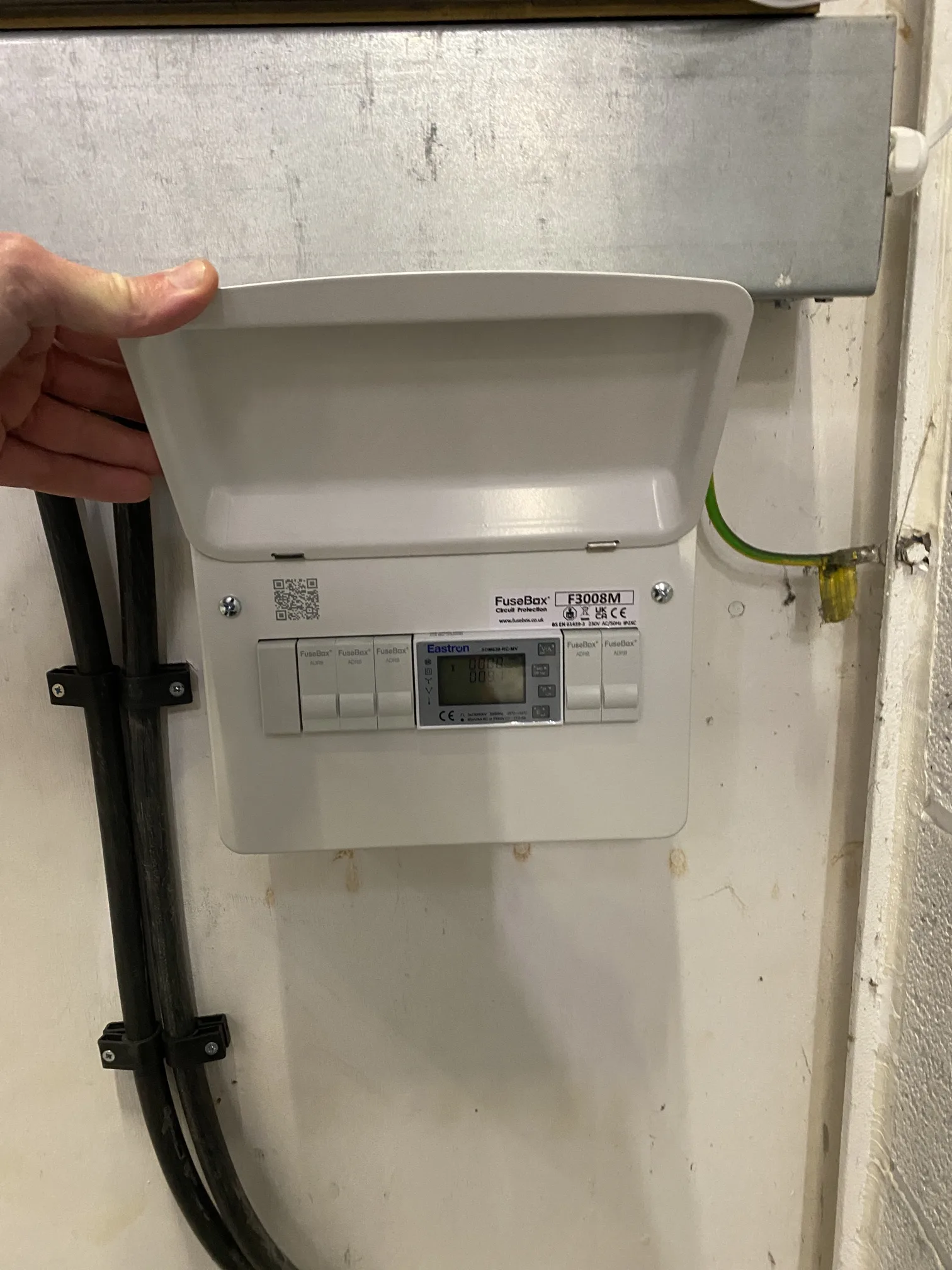
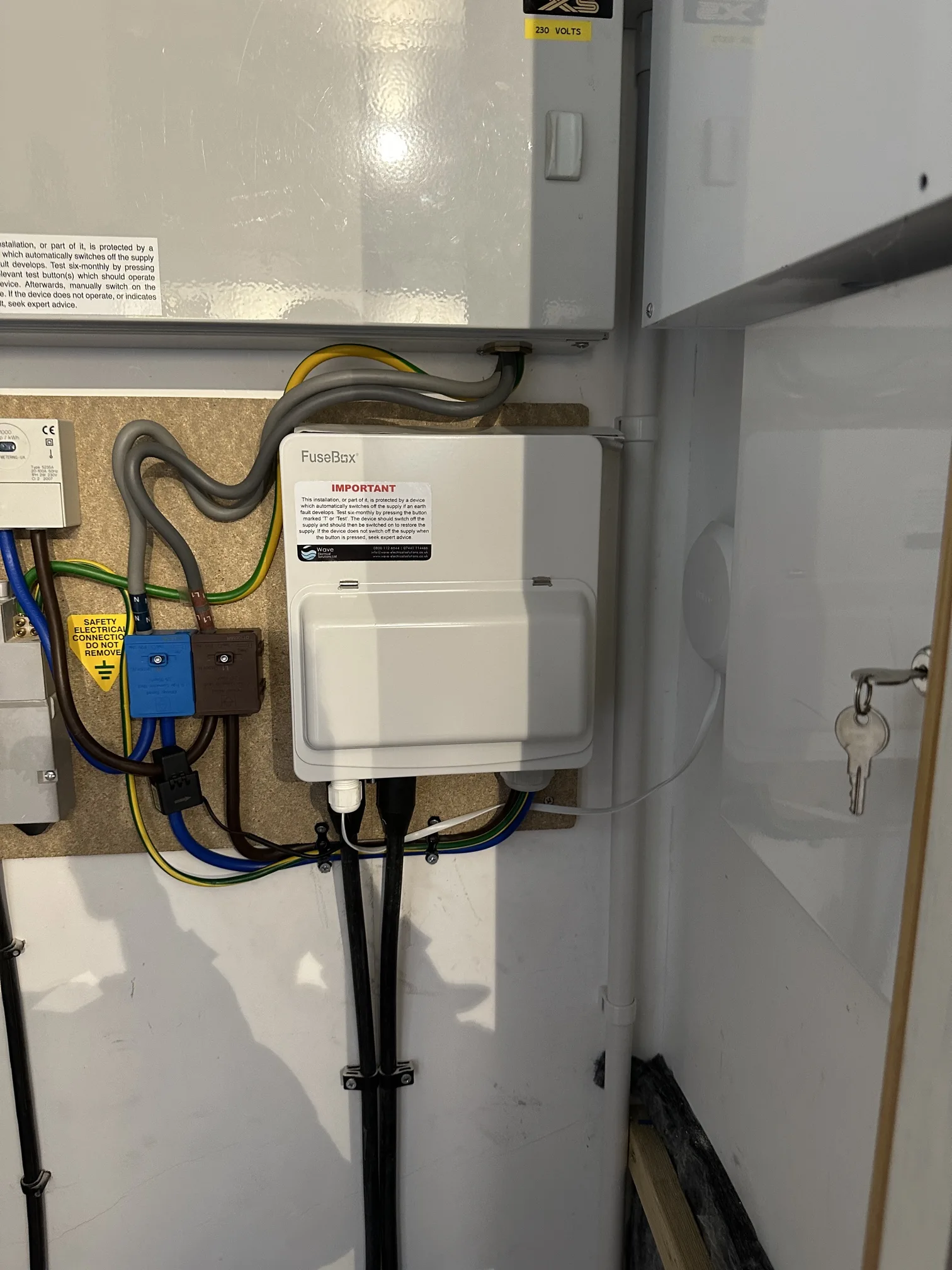
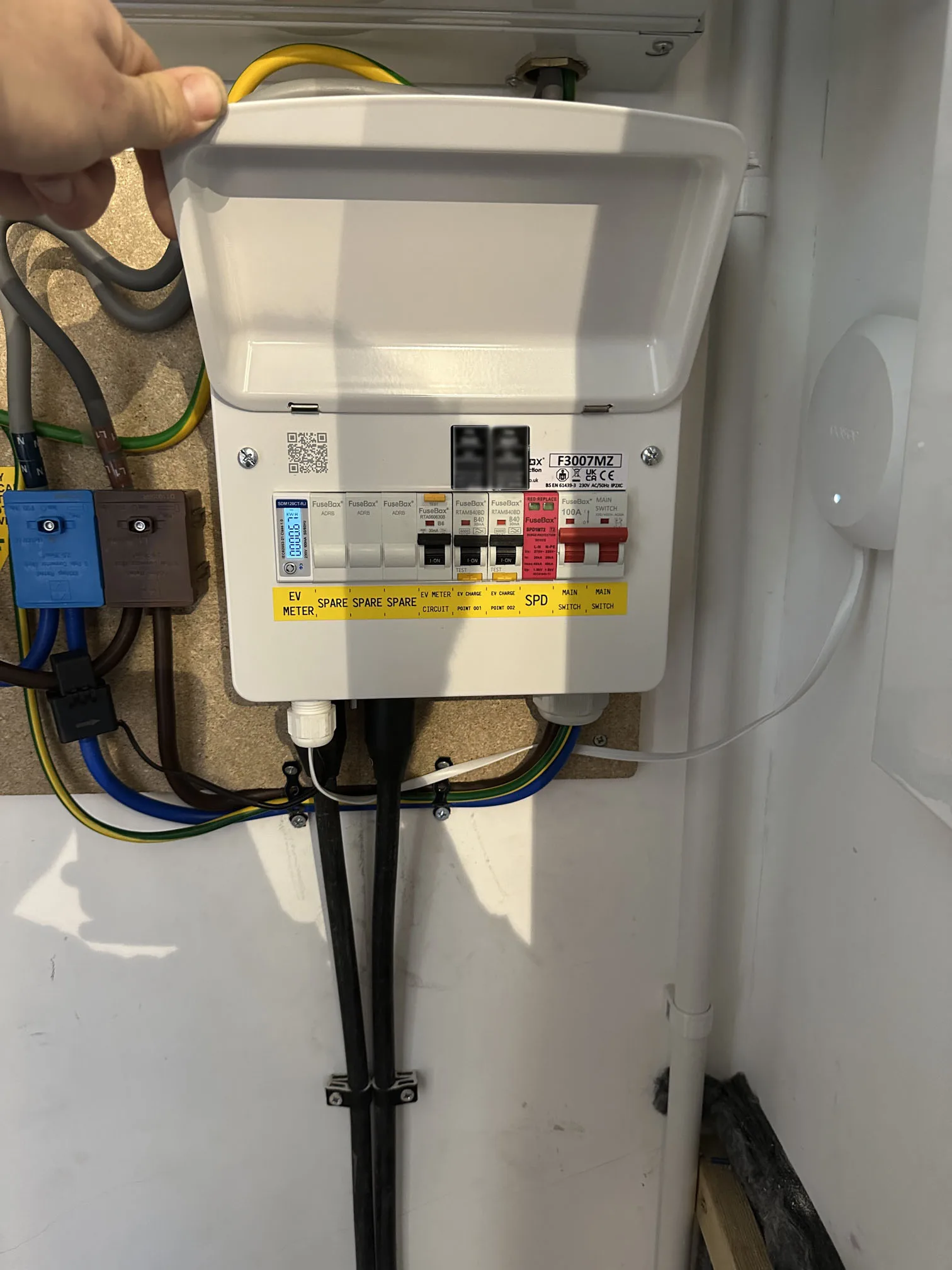
Starting at the Falmouth site, the charge points needed positioning at visitor parking spaces where they’d be most accessible. The existing electrical cupboard housed the incoming supply, and this became the starting point for the new charging circuits. A dedicated six-way consumer unit went in to house all the protective devices and monitoring equipment specifically for the EV infrastructure. This separation keeps the charging system independent from the building’s other electrical loads, making future maintenance and upgrades straightforward.
Each charge point received its own 40A bi-directional circuit breaker within this new consumer unit. The term ‘bi-directional’ refers to the breaker’s ability to handle power flow in both directions – important because modern EV technology is moving towards vehicle-to-grid systems where cars can feed power back into buildings during peak demand. Whilst that functionality isn’t being used yet, the infrastructure is ready for it.
The cable route from the electrical cupboard to the charge point locations ran beneath the block paving pathway. Lifting and relaying paving requires precision – you can’t just dig a trench and hope for the best. The route needed careful marking out to avoid existing drainage and services, then the paving came up in sections. Three-inch twin-walled ducting provided protection for the supply cables, with enough capacity for future additional circuits if needed. Once the cables were pulled through, the paving went back down with proper bedding to prevent settlement or trip hazards.
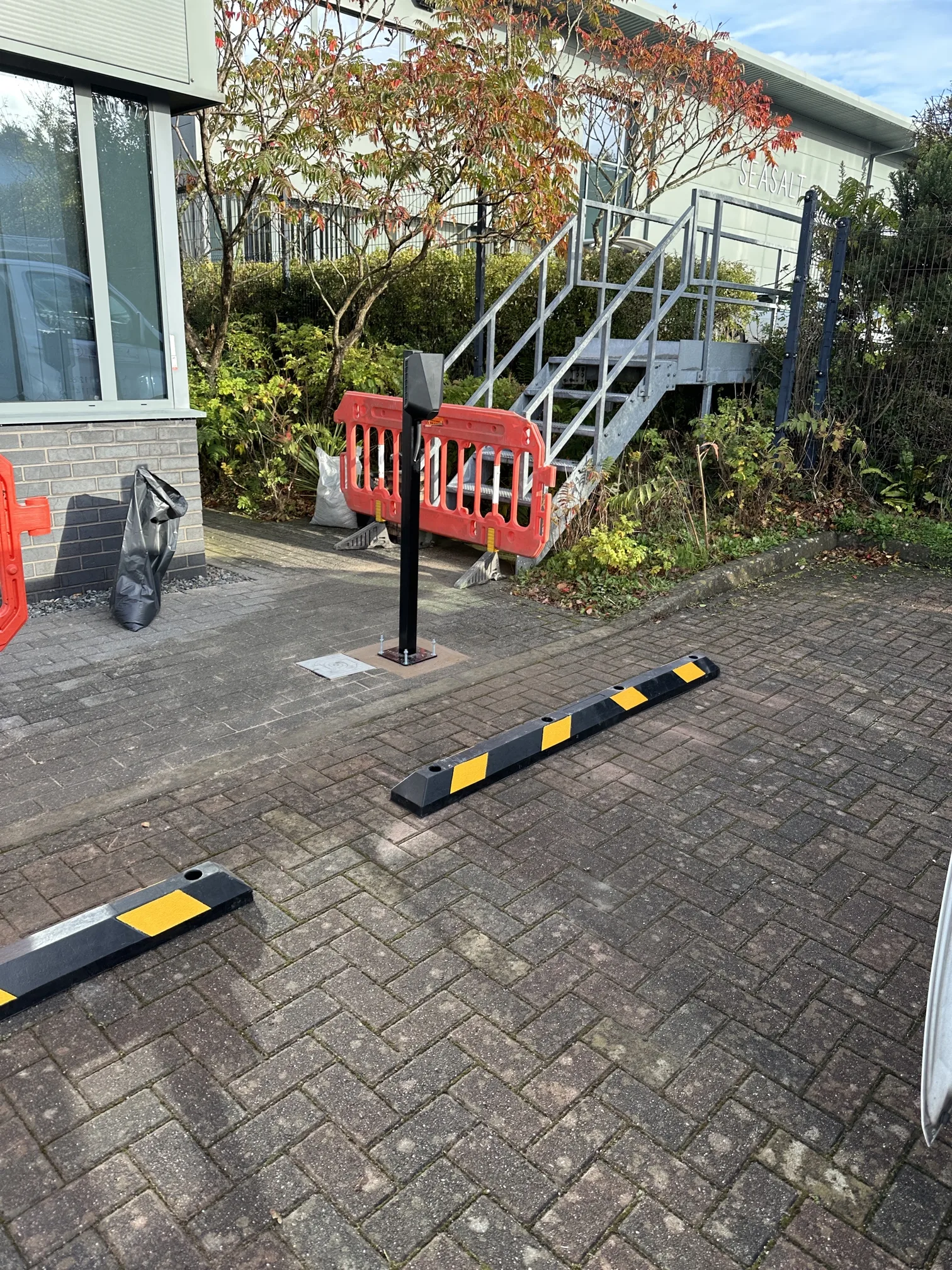
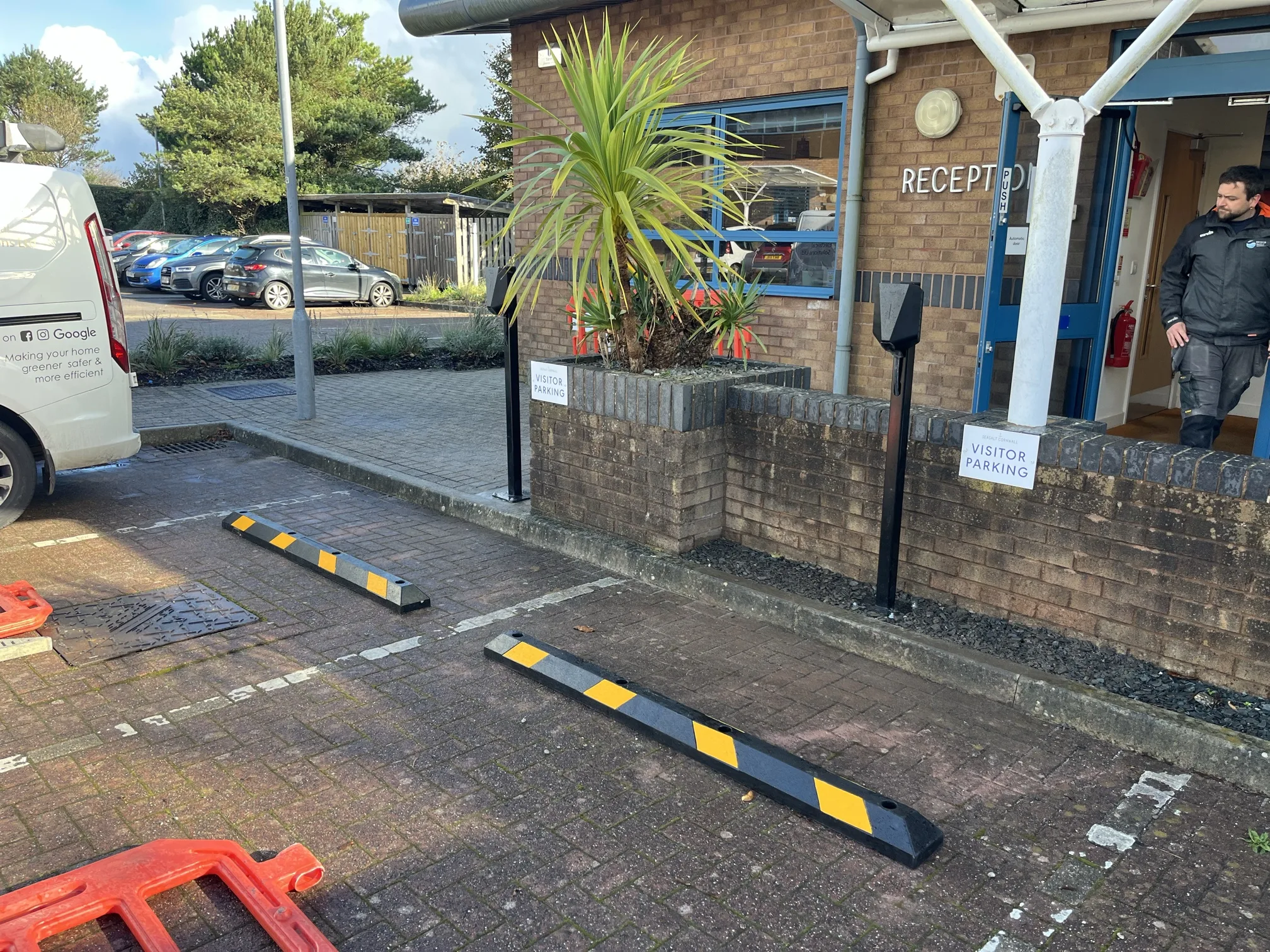
Outside at the parking spaces, the charge point posts needed solid foundations. Concrete bases measuring 400mm square and 400mm deep provided the fixing points. These aren’t just holes filled with concrete – they’re engineered foundations that can handle the weight of the post, the sideways forces from someone accidentally driving into them, and the constant vibration from cables being plugged and unplugged hundreds of times. Each base was left to cure properly before the posts were mounted and secured.
The Easee One charge points themselves are untethered units, meaning they don’t have a permanently attached cable. Users bring their own charging leads, which keeps the installation neater and removes the problem of vandalized or stolen cables that plague tethered units. The powder-coated posts resist corrosion from salt air – relevant in coastal Cornwall – and the charge points themselves are weatherproof to IP54 rating.
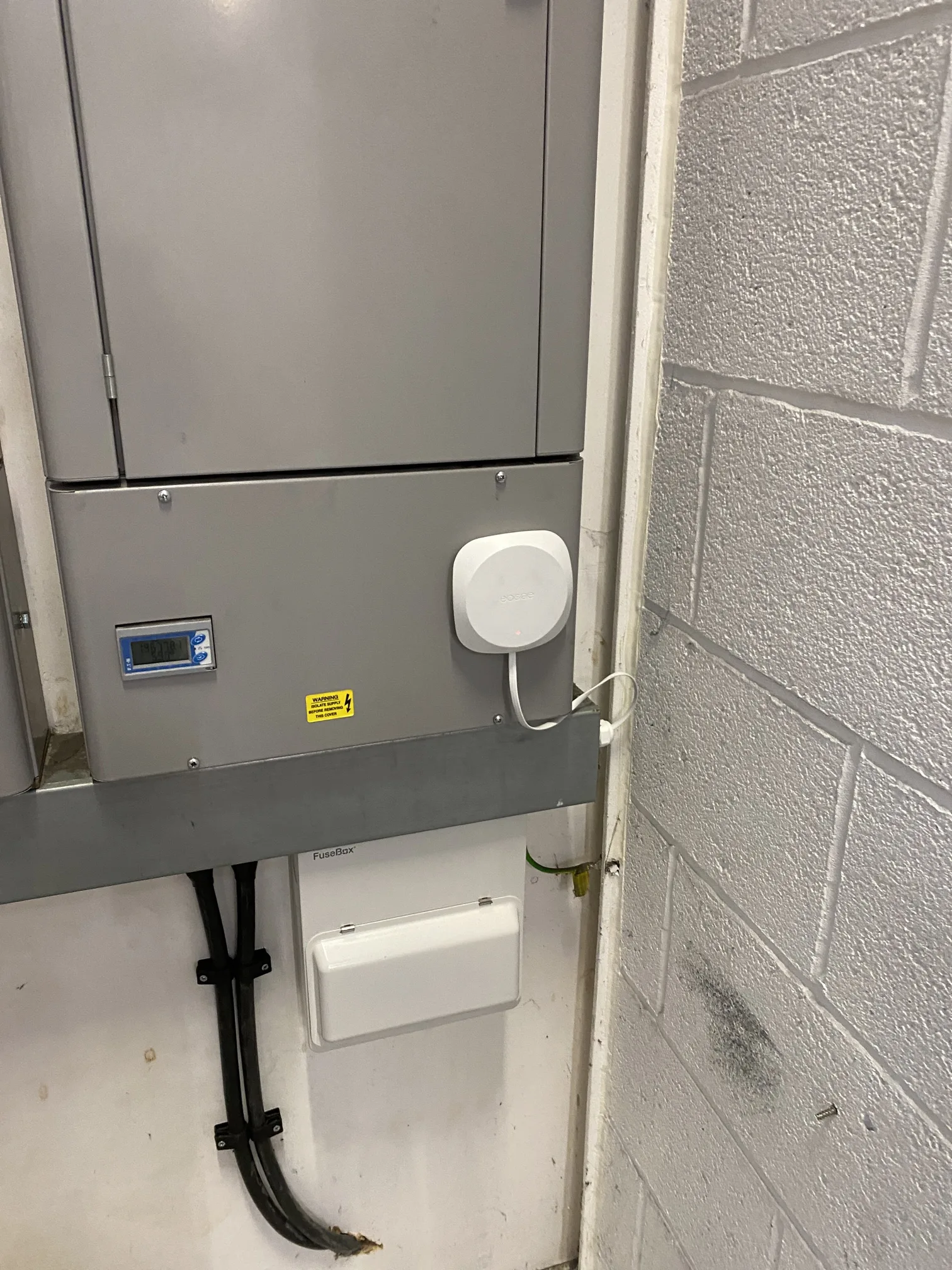
One feature that sets this installation apart is the Easee Equaliser energy monitoring system. This device sits within the consumer unit and continuously watches the building’s total electrical load. When someone plugs in to charge, the Equaliser checks how much power the building is already using and adjusts the charging rate accordingly. If the building is running near its maximum capacity, the charging slows down. If there’s plenty of spare capacity, vehicles charge faster. This dynamic load balancing prevents the charging infrastructure from overloading the incoming supply and tripping out the building.
The Fuuse payment system adds another layer of functionality. The back-office configuration we completed allows Seasalt’s building management to control access, set pricing, and monitor usage through an online portal. Users can pay via app or RFID card, and the system tracks exactly who charged what and when. The setup work covered the technical commissioning and verification that all hardware communicates properly with the Fuuse platform. Ongoing management sits with Seasalt, giving them complete control over their charging infrastructure.
Wheel stop barriers went in front of each charge point to prevent impact damage. These heavy-duty rubber barriers are bolted to the paving and positioned so that a vehicle pulling into the space makes contact with the barrier before reaching the charge post. They look simple but they’re effective protection for equipment that costs several thousand pounds per unit.
The Redruth site presented different challenges. The 22kW charge points needed three-phase power supply, which meant working with the existing three-phase consumer unit already serving the building. Each charge point received a 40A three-pole neutral (TPN) circuit breaker for protection. A second, smaller consumer unit was added to house the Easee Equaliser and associated control equipment, keeping the monitoring system separate and accessible.
The cable route at Redruth ran along the side of the building at low level before dropping underground to serve the charge point posts in the car park. This above-ground section used cleats to secure the armoured cable to the building fabric, maintaining proper spacing and support along its length. Where the cable transitioned underground, it entered the same twin-walled ducting system used at Falmouth, running beneath the block paving to the charging posts.
The same foundation and post installation process was repeated, although the Redruth charge points are 22kW units capable of delivering faster charging speeds to vehicles equipped with three-phase charging systems. Many modern electric vans and some higher-end cars can accept three-phase charging, making them practical for business use where vehicles need quick turnaround times.
Both sites received the same safety protection barriers and payment system integration. The electrical testing covered all circuits with particular attention to earth loop impedance, insulation resistance, and RCD operation. Each installation received its Electrical Installation Certificate confirming compliance with BS 7671 wiring regulations.
The installations required coordination with Seasalt’s operations to minimize disruption. The block paving work and any noisy activities were scheduled around business hours, whilst internal electrical work happened during quieter periods or after hours when it involved isolations. Safety barriers and signage kept site users away from work areas, and the final reinstatement left both car parks in better condition than we found them.
Modern EV charging infrastructure needs to do more than just deliver power. It has to integrate with building management systems, protect existing electrical supplies, generate revenue or manage access, and remain serviceable for years of heavy use. The combination of Easee hardware with Fuuse payment systems and proper load management delivers all these requirements whilst remaining user-friendly for drivers who just want to plug in and charge.
Seasalt’s business parks now have charging infrastructure that matches their operational needs. The Falmouth site serves visitors and staff with reliable single-phase charging, whilst Redruth’s three-phase capability attracts businesses operating electric commercial vehicles. The payment systems mean both sites can offer charging as a paid amenity rather than a cost burden, and the load balancing protects the buildings from any electrical stress. Testing confirmed all circuits meet current regulations, and the civil works were completed to a standard that’ll withstand years of vehicle traffic and Cornish weather.