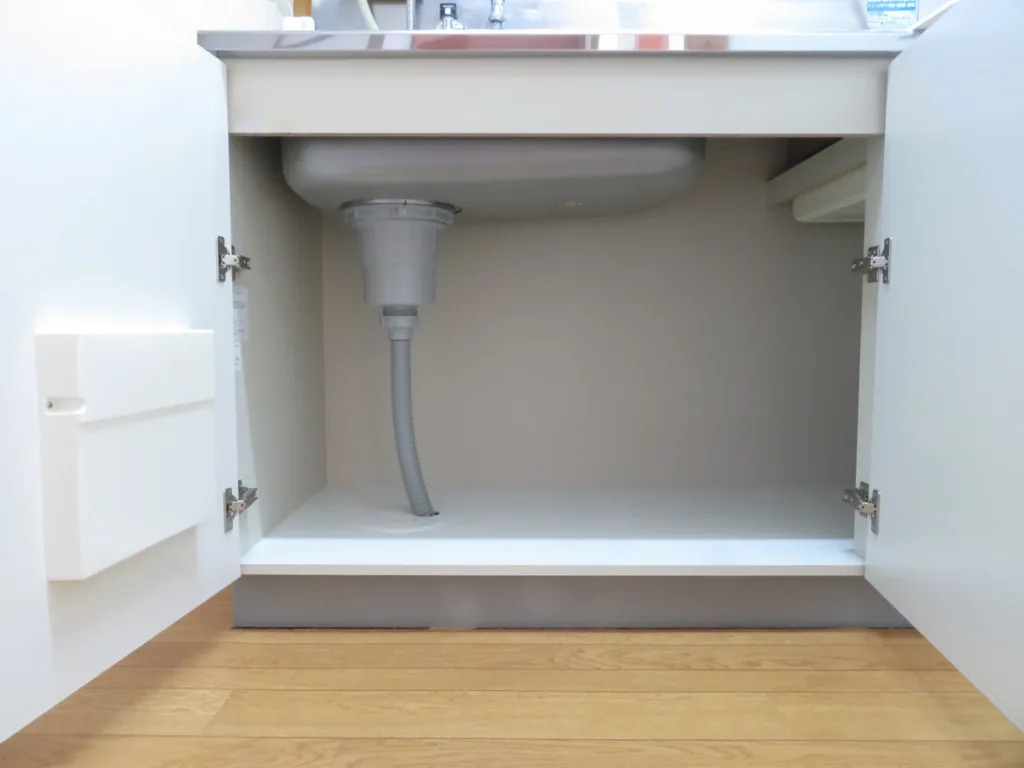
Kitchens are one of the most heavily used and highly regulated areas in any home, especially when it comes to electrical installations. With appliances tucked away inside cabinets and under worktops, many homeowners wonder whether it’s safe—or even legal—to install a socket beneath the kitchen sink.
It might seem like a convenient location for powering dishwashers or waste disposal units, but that doesn’t mean it’s always advisable. As qualified electricians, we’ve seen everything from poor placements to potentially dangerous installations hidden away in cupboard spaces where plumbing and electrics don’t mix well.
Before you plan your next kitchen upgrade, it’s worth understanding what the regulations say, what the risks are, and when (if ever) it’s acceptable to place a socket under a sink.
UK Electrical Safety Regulations for Kitchens
What the regulations say
In the UK, all electrical installations in domestic settings must comply with BS 7671 – commonly referred to as the 18th Edition Wiring Regulations. While these regulations don’t explicitly ban sockets under kitchen sinks, they do make it clear that any socket installation in areas prone to moisture must be carried out with extreme care.
Sockets in kitchens must be protected by a Residual Current Device (RCD), which significantly reduces the risk of electric shock if water comes into contact with live components. The wiring must also be rated appropriately for the load and properly enclosed to avoid damage from any surrounding plumbing.
In short, while you can technically place a socket under the sink in some very specific situations, it needs to meet strict requirements—and it’s often best avoided unless absolutely necessary.
Role of Part P Building Regulations
Beyond BS 7671, all domestic electrical work must also meet Part P of the Building Regulations. This is especially important in kitchens, which are classified as high-risk areas due to their frequent exposure to water and heat.
If installing a new circuit, or altering an existing one significantly, the work becomes notifiable, meaning it must be either:
- Completed and self-certified by a registered electrician, or
- Reported to your local authority’s building control department before work begins.
This ensures the installation meets national safety standards and that you receive a compliance certificate, which may be required if you sell your home later.
Risks of Installing Sockets Under the Sink
Water exposure and splash zones
The primary concern with placing any electrical socket under a kitchen sink is the proximity to water. Even in normal conditions, the area beneath the sink is often damp and prone to splashes from plumbing. Over time, small leaks from pipes or fittings can go unnoticed—and if there’s a socket nearby, the result could be dangerous.
Water ingress into a socket can lead to short circuits, tripped breakers, or even electric shocks. While an RCD offers essential protection, it’s not foolproof. Prevention is always better than relying on fault response systems. Keeping sockets away from areas with potential leaks or pooling water is considered best practice.
This is particularly important when flexible hoses and connectors are used under sinks, as they are more prone to wear and tear. Even condensation around pipework can create enough moisture to compromise an exposed socket or its connections.
Limited access for maintenance
Another practical issue is access. In most kitchens, the area under the sink is cramped and filled with waste traps, plumbing, cleaning products and pipework. This makes it a poor location for something as vital as an electrical connection point.
If a socket under the sink trips or develops a fault, accessing it quickly during an emergency can be difficult. If it’s powering a critical appliance like a dishwasher or a waste disposal unit, this delay can be more than inconvenient—it could cause damage or safety risks.
Worse still, some installations hide sockets behind fixed backs or internal panels, making routine inspection or testing nearly impossible without dismantling parts of the kitchen. That alone is a strong argument against this location.
Acceptable Uses and Best Practices
Fixed appliance connections (e.g. dishwashers)
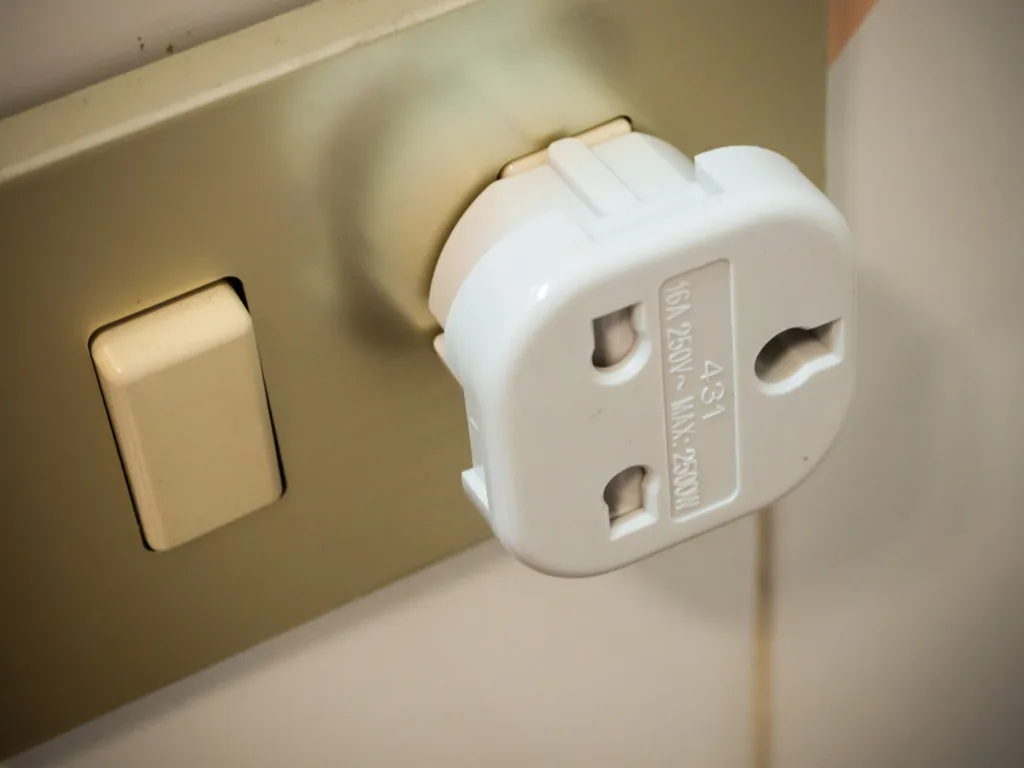
While general-use sockets under sinks are discouraged, there are situations where electrical connections below a sink are acceptable—but only for fixed appliances. If the socket is installed behind a panel, inaccessible for day-to-day use, and solely serves a dishwasher or waste disposal unit, it may be permitted.
In these cases, the socket must:
- Be installed by a qualified electrician
- Be on a dedicated circuit where appropriate
- Be protected by an RCD
- Be located to avoid plumbing routes and splash risk
Additionally, the socket must not be used for plugging and unplugging. The idea is that it’s only ever connected to one appliance and left in place. If regular access is required, it should be relocated to a safer position.
Many modern kitchen designs include fused connection units (FCUs) or isolation switches above the worktop that control under-sink appliances. This setup is both safer and easier to maintain.
Distance rules from sinks
When it comes to socket placement near sinks, guidance from Electrical Safety First makes it clear: sockets should be installed at least 30cm horizontally from the edge of a sink. This distance reduces the risk of splashes reaching the outlet and keeps users from operating switches with wet hands.
While this guideline mainly applies to sockets on the wall above or beside the sink, it reflects the same principle for under-sink areas—keep electrical fittings well away from potential water hazards.
Even when you’re short on space, there are always better alternatives to placing sockets in high-risk areas. At Wave Electrical, we help clients design kitchens that balance functionality with electrical safety. That often means rerouting connections or using safer alternatives to sockets under the sink.
What Wave Electrical Recommends
At Wave Electrical Solutions, we’ve seen our fair share of unsafe under-sink wiring. In most cases, the risks far outweigh the convenience. That’s why we always advise avoiding socket installations beneath sinks unless there’s absolutely no alternative—and even then, only for fixed appliances and under tightly controlled conditions.
Our approach prioritises both safety and practicality. Here’s what we recommend instead:
- Use a fused spur or isolation switch mounted externally to the cupboard. This allows safe control and disconnection of appliances like dishwashers or waste disposal units without the need to reach under the sink. If you’re curious how this setup works in other wet zones, check out our guide on fused spurs in bathrooms.
- Position sockets at least 300mm from the edge of the sink, measured horizontally, in accordance with recognised guidance. This applies to both above-counter and under-counter sockets.
- Plan ahead during kitchen design. If your kitchen is being renovated or newly built, you can often relocate appliances or reroute circuits to avoid placing sockets near water sources entirely.
- Ensure RCD protection on all circuits serving kitchen outlets, especially if installed anywhere near plumbing. This is a regulation-backed requirement under BS 7671 and one of the most effective ways to reduce harm from faults.
- Don’t rely on guesswork. Kitchens are classified as special locations under building regulations for a reason. Any electrical work, even seemingly small jobs, should be handled by a qualified professional. That ensures not only compliance but also long-term peace of mind.
For further reading on how electrics are handled in high-moisture environments, we also recommend our full guide to bathroom electrics, which explains how we assess zones and choose suitable fittings—skills we apply in kitchens too.
FAQs
Is it illegal to have a socket under the sink?
It’s not explicitly illegal, but it’s strongly discouraged unless it meets strict safety criteria. Sockets under sinks should only be used for fixed appliances, not for general use, and must follow BS 7671 and Part P regulations.
Can I plug my dishwasher into a socket under the sink?
Yes, if the socket is dedicated, inaccessible to everyday use, and professionally installed with RCD protection. A better practice is using a fused spur or isolation switch above the worktop to control it.
What’s the safest socket layout for small kitchens?
In compact kitchens, the key is smart planning. Sockets should be kept at least 30cm from sinks, and isolators should be easily accessible. We often recommend using worktop-height spurs and designing bespoke layouts to meet both space and safety requirements.
Conclusion
Installing a socket under the sink might seem like a quick solution—but in most cases, it’s a shortcut that comes with avoidable risk. Between water exposure, restricted access, and regulatory complications, you’re better off designing a layout that prioritises both function and safety.
At Wave Electrical Solutions, we work with homeowners, landlords, and kitchen fitters to ensure every outlet is safe, compliant, and sensibly located. Whether you’re remodelling a kitchen or making small upgrades, we’ll help you avoid costly mistakes and ensure your electrics meet all current standards.
Need expert advice on socket placement or safe kitchen electrics? Get in touch with our team—we’re here to make your kitchen safer and smarter from the ground up.