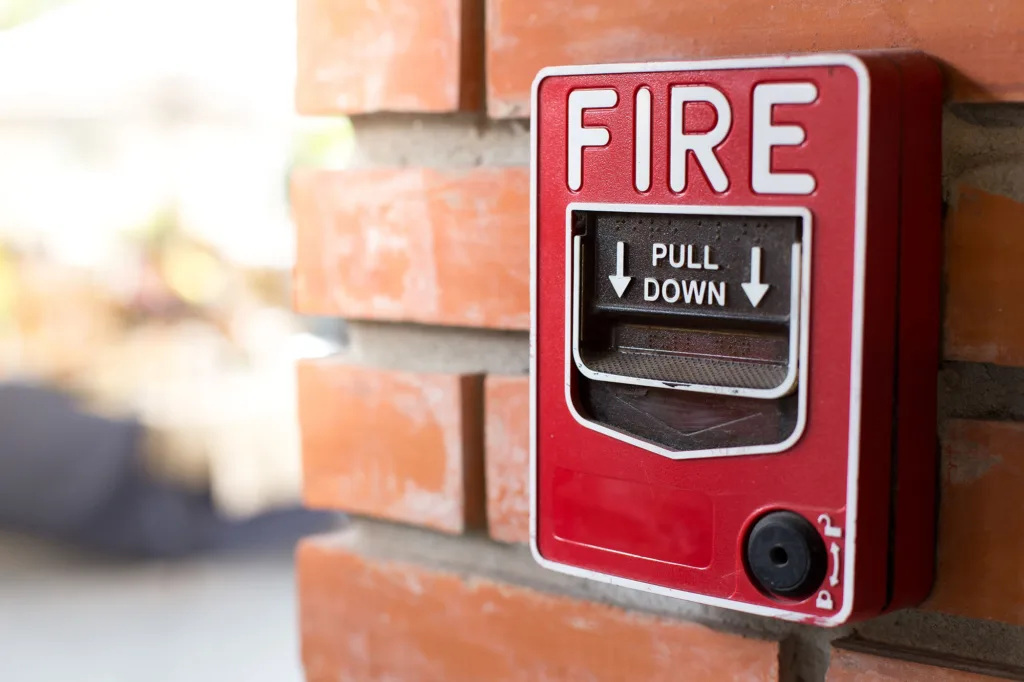
Selling a property in the UK comes with its fair share of legal obligations, but one area that’s often misunderstood is fire safety. Specifically, many sellers wonder whether it’s legally permissible to sell a house that doesn’t have fire alarms installed. It’s not a niche concern either—surveyors, conveyancers, and even buyers are increasingly raising the alarm (pun intended) when basic safety standards aren’t visible.
The short answer? You can technically sell a home without fire alarms in some parts of the UK, but that doesn’t mean it’s a wise or straightforward move. The absence of fire detection systems can quickly trigger delays, renegotiations, or costly last-minute installations. And in certain parts of the UK—like Scotland—it may not even be legal to list a property that doesn’t meet minimum alarm standards.
Legal and Regulatory Landscape
The legal requirements for fire alarms vary across the UK, depending on whether the property is a rental, freehold, or located in Scotland or England. Understanding these distinctions is crucial if you’re planning to sell.
England and Wales – Smoke & Carbon Monoxide Alarm Regulations
In England and Wales, the law mainly targets landlords. The Smoke and Carbon Monoxide Alarm (England) Regulations 2015 require private rented homes to have at least one smoke alarm on every storey and a carbon monoxide alarm in any room with a solid fuel-burning appliance. However, these rules don’t directly apply to homeowners looking to sell.
That said, under Approved Document P, any significant electrical work in a dwelling must be done safely and comply with Building Regulations. Fire detection systems installed as part of rewiring or refurbishment will often fall under this.
So while you’re not legally blocked from selling a property without alarms, there is an increasing expectation that homes should meet modern safety standards—even if they aren’t rentals.
Scotland – Interlinked Alarms Required Since 2022
Scotland has taken a stricter stance. Since February 2022, all homes—regardless of ownership or occupancy—must have interlinked smoke and heat alarms. This means if one alarm goes off, they all do, creating a faster, more effective warning system.
The law mandates:
- One smoke alarm in the room most used for daytime living.
- One smoke alarm in every hallway or landing.
- One heat alarm in the kitchen.
- All alarms must be ceiling-mounted and interlinked.
If your property doesn’t meet this standard, you could be in breach of legislation, which may impact your ability to legally sell the home.
Fire Safety Order and Common Areas
Even if your property is a detached house, things can get complicated when shared or communal areas are involved. Under the Regulatory Reform (Fire Safety) Order 2005, blocks of flats and shared housing must have proper fire risk assessments and safety systems in communal spaces. While not directly enforced upon individual flat owners, any deficiencies in shared areas can stall a sale or trigger legal and insurance issues.
Is Having Fire Alarms Mandatory for a Sale?
The idea that you can’t legally sell a home without fire alarms is a common misconception. In practice, the rules vary based on geography, property type, and even buyer expectations. Let’s break down what’s actually enforced, and what could come back to bite you at survey or contract stage.
Legal Mandates vs Market Norms
In England and Wales, if you’re a private homeowner—not a landlord—there is no blanket legal requirement forcing you to install smoke or heat alarms before selling your property. You could technically list and sell a home without any alarms at all. But the lack of legal requirement doesn’t mean it’s a good idea.
Most estate agents and surveyors will expect basic fire detection systems as standard. In some cases, a buyer might insist on their installation before contracts are exchanged. You might get away without them, but you’re also handing your buyer extra leverage in the negotiation process.
In Scotland, however, the game changes. The legislation introduced in 2022 applies to all residential properties. So if you’re selling a home there, interlinked fire alarms aren’t optional—they’re a legal requirement. Listing your home without them could violate the law and stall your transaction entirely.
Role of Buyers, Surveyors, and Lenders
Even where regulations are less strict, the market often imposes its own rules. Mortgage lenders, for instance, may refuse to proceed with a loan on a property that lacks basic safety measures. A surveyor might flag the absence of fire alarms in their report, potentially causing delays or resulting in reduced valuations.
Buyers are also becoming more aware of safety standards. It’s not unusual for them to request remedial work—like installing smoke alarms—before completion. If you’re selling in a competitive market, not having alarms might be the detail that tips a sale in someone else’s favour.
Consequences of Non-Compliance
Even in areas where fire alarms aren’t mandatory, skipping them opens the door to several problems:
- Survey red flags: a common source of price renegotiations.
- Buyer hesitancy: especially from families or first-time buyers who are more risk-averse.
- Contractual conditions: solicitors may insert terms requiring compliance before exchange.
It’s not just a question of ticking boxes—it’s about keeping the sale on track, avoiding last-minute scrambles, and demonstrating that your property has been properly looked after.
Risks, Challenges, and Practical Consequences
Skipping over fire safety can have a ripple effect across your entire sale process. Even if it doesn’t break the law, it often breaks trust—or at the very least, slows things down.
Legal Disclosure and Liability
You’re legally obliged to answer truthfully when filling out the TA6 Property Information Form, a standard part of the conveyancing process. This includes disclosing known risks or safety issues. If you’re aware your home doesn’t meet current fire safety expectations and fail to disclose it, you could face future claims—even after completion.
Plus, if a buyer finds out during a survey or inspection that you’ve withheld this detail, it can sour the deal entirely.
Lower Valuation or Buyer Hesitation
Surveyors working on behalf of mortgage lenders don’t just look for structural issues—they also flag safety deficiencies. If your home lacks smoke alarms, or has outdated or non-functional systems, it can result in a lower valuation. That in turn reduces the mortgage offer, which might force buyers to walk away or renegotiate the price.
Insurance Implications
Most home insurance policies expect basic safety measures to be in place. If your property has no fire detection at all, or you’ve removed alarms, your policy might be void—or premiums significantly higher. Some buyers, especially those using insurance brokers who conduct thorough risk assessments, may see this as a red flag.
Cost of Remedial Work
If a buyer requests smoke or heat alarms be installed before completion, you’ll need to act fast. That could mean hiring an emergency electrician or installer at short notice. Depending on the size and layout of the property, installing interlinked systems or addressing wiring issues might cost several hundred pounds or more.
Taking care of it upfront allows you to budget and control the narrative, rather than rushing to fix it under pressure.

What Fire Safety Compliance Should Sellers Aim For
Even when it’s not legally enforced, there’s still a clear best-practice standard for fire alarm coverage in residential properties. Getting this right isn’t just for buyers—it protects your peace of mind throughout the sale.
Types of Alarms and British Standards
At a minimum, homes should have:
- Smoke alarms on every floor (in circulation areas like hallways and landings)
- Heat alarms in the kitchen
- Carbon monoxide alarms near fuel-burning appliances (e.g. wood burners, boilers)
These should be installed in line with BS 5839‑6:2019, which outlines best practices for domestic fire detection systems.
If you’re unsure what system your property needs, our fire detection systems service provides tailored assessments and professional installation.
Placement and Interlinking
In most cases, modern systems should be interlinked. That means if one alarm sounds, they all do—creating a much more effective response in case of fire. This is legally required in Scotland, but strongly recommended across the UK.
Alarms should be ceiling-mounted, ideally positioned in the centre of rooms or hallways, and kept away from vents, fans, or open windows which could affect performance.
Ongoing Testing and Documentation
Even a well-installed alarm is useless if it doesn’t work. Make sure alarms are tested regularly and batteries (if applicable) are fresh. If you’re listing your home, providing a simple document stating when the system was installed or last serviced can reassure buyers.
Not sure what type of alarm you need? Our guide on the three basic types of fire detection systems breaks it down simply.
Steps to Prepare for Sale with Fire Safety in Mind
Before you list your property, take a few straightforward steps to make sure fire safety doesn’t become a sticking point during the sale.
Schedule an Inspection or Self-Check
Walk through the home with a critical eye—or better yet, bring in a qualified professional. Check for missing or non-functioning alarms, poor placement, or outdated devices. An electrician or fire safety expert can provide an unbiased view and recommend upgrades where needed.
Hire a Qualified Installer
It’s always worth having new alarms installed by a registered professional. That way, you can ensure they comply with British Standards and are correctly positioned. It also gives you something to show buyers or surveyors—proof that the work was done properly.
You can visit Wave Electrical Solutions for expert installation and advice specific to your property type.
Get Certification or Documentation
Keep a copy of any paperwork related to the alarm system—this could include installation receipts, fire safety check reports, or maintenance records. Your solicitor may ask for it during the conveyancing process, and it helps avoid delays when buyers ask for proof of compliance.
Inform Your Estate Agent and Conveyancer
Once everything’s in place, make sure your agent knows so they can highlight it in your listing. Let your solicitor know too, so there’s no ambiguity when it comes to legal forms or buyer queries.
When Fire Alarms Cannot Be Present (Exceptional Cases)
There are rare circumstances where a property may not have modern fire detection—and where this might be justifiable or temporarily unavoidable.
Listed Properties with Restrictions
In some older or listed buildings, installing modern ceiling-mounted alarms may not be straightforward. Restrictions on drilling, wiring, or altering period features might limit your options. In these cases, discreet or battery-powered units might be the only viable solution.
You should still make every effort to comply—and discuss the situation with your buyer early in the process.
Buildings Awaiting Upgrades or Regulatory Change
Some homes, especially ex-rentals or flats in older developments, may be in transition. They may have outdated systems awaiting upgrade as part of a wider building management plan. Make sure to get written confirmation from the managing agent or landlord and disclose it to your solicitor.
Conditional Agreements in Sale Contracts
If you absolutely can’t install alarms before the sale, it’s still possible to move forward by negotiating terms. The buyer may agree to complete the installation post-purchase, often in exchange for a price reduction or written clause in the contract. Be prepared to compromise if you’re in this position.
Summary and Best Practice Recommendations
You might technically be able to sell a home without fire alarms in parts of the UK—but why risk it? Buyers are increasingly cautious, surveyors are increasingly thorough, and even the absence of something as simple as a hallway smoke detector can lead to delays or demands for discounts.
In Scotland, the rules are even tighter: interlinked alarms are a legal requirement for all homes.
The smarter move? Make sure your home meets at least the minimum recommended fire safety standards, provide documentation to back it up, and treat it like you would any other crucial part of the property—because it is.
FAQs
Do I absolutely need smoke alarms to sell a house?
You don’t need them by law in England and Wales if the home is owner-occupied, but it’s highly recommended. In Scotland, yes—they’re legally required.
Will a missing fire alarm affect my property survey?
Yes. Surveyors will usually note missing or non-compliant alarms, especially in communal buildings or if the property is a flat. This can reduce buyer confidence or delay the process.
Can buyers demand fire alarms be installed before exchanging contracts?
They can, and often do. It’s a common condition in sales, especially when lenders or insurers are involved. If you refuse, the buyer may renegotiate or pull out.
Final Thoughts
Treating fire alarms as optional when selling your home is a risky shortcut. Even in areas where regulations don’t strictly enforce them, the knock-on effects of not having alarms—lower offers, delayed completions, and buyer mistrust—can cost you far more than a quick installation ever would.
Buyers want peace of mind, and fire safety is at the top of the list. Taking simple steps now—like installing compliant alarms, testing your system, and keeping records—could save your sale from avoidable hiccups.
For tailored advice or professional installation, get in touch with Wave Electrical Solutions. We’ll make sure your property ticks every box that matters.