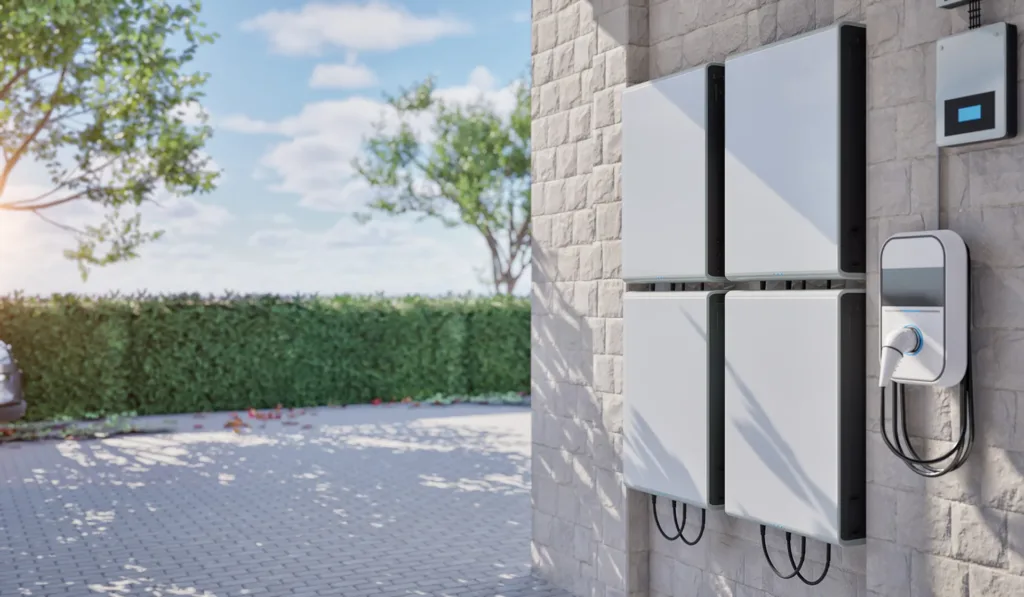
With more drivers making the switch to electric vehicles, the question of home charging is becoming increasingly relevant. Public infrastructure is improving, but it’s still no match for the convenience and control of having your own charging point. Whether you’ve recently bought an EV or are planning to soon, understanding the installation costs is essential. While many suppliers advertise from-£800 figures, the true cost can vary depending on the type of charger you choose, how your property is wired, and whether extra work is needed to bring things up to spec.
We’ve installed EV chargers in everything from compact terraced homes to large countryside properties across Cornwall. The one thing they all have in common is that no two jobs are quite the same. If you’re after a realistic, all-inclusive overview of what to expect, this guide is for you.
For background on how home chargers work and why they’re worth it, our team covers the essentials in this post on EV charging points.
EV Charger Cost Breakdown
Charger Unit Price
The charger itself is typically the biggest part of the cost. Most models fall between £500 and £1200. The price depends on whether the unit is:
- Tethered (comes with a cable) or untethered (requires a separate cable)
- Equipped with smart features such as remote scheduling, tariff integration, and app access
- Branded with compatibility for specific car makes or solar systems
Tethered units are generally more convenient, especially for daily use, but untethered units offer flexibility if you have multiple vehicles or plan to change cars.
Installation Labour Costs
Professional installation usually ranges from £300 to £600. This includes fitting the charger, routing cable to your fuse board, and testing the system. Costs can rise if your consumer unit is outdated or if access is limited.
At Wave Electrical Solutions, our standard install includes load checks, safety certification, and full integration with your existing supply. Regional differences may apply, but the process remains broadly consistent across most UK locations.
Additional Expenses
Beyond the unit and labour, a few common extras can affect your total:
- Consumer unit upgrade: If your current board can’t handle the additional load, you may need a replacement or a dedicated circuit.
- Cable routing and trenching: Longer cable runs, crossing driveways or installing underground ducts can add several hundred pounds.
- Mounting options: Chargers can be wall-mounted or post-mounted; the latter involves more hardware and time.
- Wi-Fi signal: Smart chargers need reliable connectivity. If your signal doesn’t reach the installation point, a booster or data cable may be necessary.
For examples of completed EV installations, including outdoor solutions, our project gallery shows what’s possible.
Factors That Influence Price
Property Type and Layout
Terraced houses with limited front access often involve longer cable runs or wall penetration, while detached homes may offer simpler routes and easier positioning. Apartments and flats typically require additional permissions and may involve shared metering or dedicated landlord circuits.
Charger Location
Where the charger is installed matters. Internal garages tend to be straightforward. External driveway or carport installs require waterproofing and weatherproof hardware. Our team assesses every site in person or via photographs to provide accurate quotes and plan efficient routes.
Smart Features and App Integration
Modern EV chargers can connect with energy tariffs, allowing you to charge during off-peak hours. Some integrate with solar PV systems to make use of surplus generation. These features can raise the initial price, but they often deliver long-term savings — particularly for high-mileage drivers.
Available Grants and Incentives
While the previous EVHS grant is no longer available to most homeowners, several schemes still exist:
- OZEV EV Chargepoint Grant: Available for landlords, flat owners, and renters. Offers up to £350 off the total cost.
- Local schemes: Some councils offer support for communal or street-side installations.
- VAT: Currently, domestic EV charger installations are subject to 20% VAT. This is built into most advertised prices, but it’s worth checking with your installer.
The UK government supports the rollout of smart charging to encourage energy-efficient home use. According to the official EV Smart Charging Action Plan, smart chargers paired with time-of-use tariffs can help households lower their bills by charging during off-peak hours. This also reduces strain on the grid during high-demand periods.
Installation Process and What to Expect
Fitting an EV charger is more involved than a basic socket installation, but it’s a well-defined process:
- Initial Assessment: This may involve a video call or photos to understand the layout, location of your fuse board, and parking.
- Quote and Planning: Based on your home and preferences, the installer provides a tailored quote including all equipment and labour.
- Installation Day: Most installations take half a day to a full day. The electrician will isolate power, fit the charger, run the cable, and test the system.
- Certification and Handover: Once installed, you’ll receive a certificate of installation. For smart chargers, setup help is often included to ensure your app and account are working correctly.
We handle all of the above with transparent pricing and no subcontractors. Our home EV charger service page explains more.
FAQs
Can I use a regular plug socket to charge an EV?
Yes, but it’s not ideal. A 3-pin socket delivers slow charging and isn’t designed for daily high-current use. A dedicated charger is safer and much faster.
Do I need Wi-Fi for a home EV charger?
For smart features like scheduling and app access, yes. However, some models can operate offline in manual mode if needed.
How long does installation take?
Most installations take between 3 to 6 hours, depending on access, cable routing, and any additional upgrades.
Conclusion
There’s no one-size-fits-all figure for EV charger installation, but most homeowners can expect to pay between £900 and £1500 for a complete setup. Key drivers include the type of charger, the complexity of the installation, and whether your home needs any electrical upgrades. Getting a proper quote starts with understanding your own setup — fuse board location, parking layout, and charger preference.
Our team at Wave Electrical Solutions provides a full survey and installation package, ensuring your charger works seamlessly from day one. Whether you’re charging a new family car or futureproofing your home, we’ll tailor the solution to suit your needs and property.
To see how we’ve helped homeowners across Cornwall go electric with confidence, visit our EV installation project portfolio.