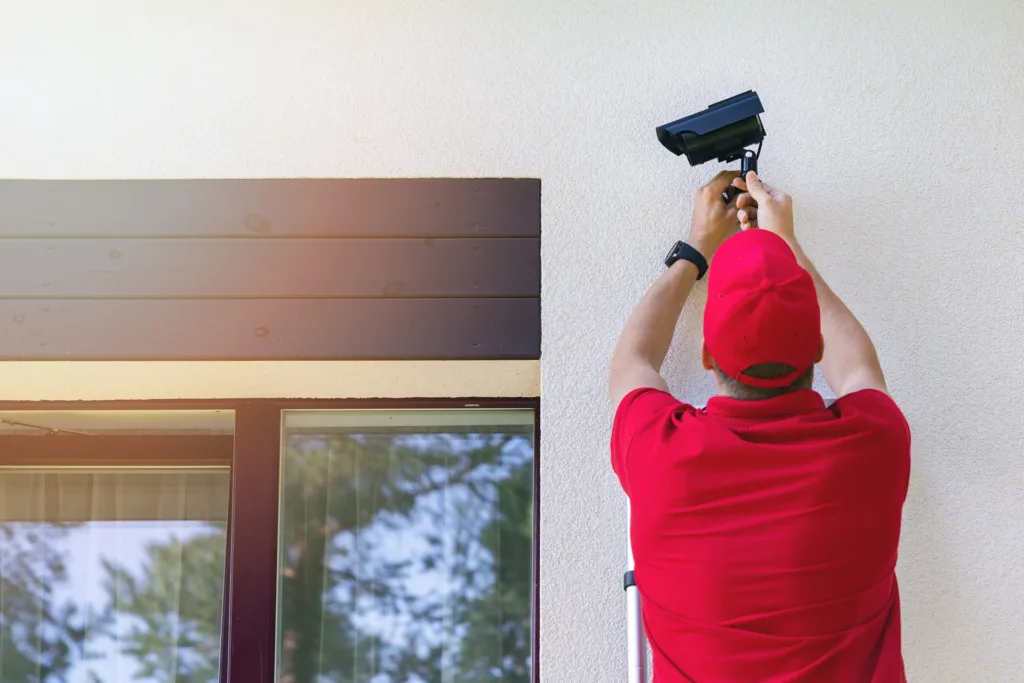
Installing a CCTV system at home is a step many UK homeowners take for peace of mind, particularly in areas where property security is a growing concern. The sight of a camera alone can deter unwanted visitors, and being able to check footage remotely offers reassurance while away. But before setting up a camera to keep watch over your front drive or back garden, it’s important to understand where the law stands — especially when that footage might also include a neighbour’s property or a shared path.
In the UK, it is entirely legal to install CCTV on your property. However, that doesn’t mean it’s a legal free-for-all. The moment your camera captures footage beyond your private boundary, you become responsible for managing that data under UK GDPR and the Data Protection Act 2018. This includes respecting the privacy of others, storing footage safely, and even responding to access requests from those recorded.
For anyone considering a new setup, or wondering whether their current system meets the latest standards, our team has put together this guide to help you stay both secure and compliant.
Can You Legally Install CCTV at Your Home in the UK?
Homeowner rights under UK law
UK law allows homeowners to install CCTV for domestic use. This includes monitoring your property’s entry points, garden, or drive. You don’t need a licence or formal permission to install a camera for these purposes.
When domestic use becomes subject to data protection rules
If your system captures images or video outside your property — such as a public pavement, road, or another person’s home — your use falls under the scope of data protection law. That doesn’t make the setup illegal, but it does mean you have legal duties. As a ‘data controller’ in this context, you are required to handle the footage in line with the UK GDPR.
The role of the Data Protection Act 2018 and UK GDPR
These laws govern how personal data (including video footage where individuals can be identified) must be handled. For homeowners, this means taking steps to notify people they may be recorded, limiting unnecessary footage, and ensuring footage is stored securely and not kept longer than needed.
Privacy Considerations for Domestic CCTV
Recording public spaces or neighbouring properties
A common issue is accidental (or intentional) recording of areas beyond the homeowner’s boundary. While wide-angle lenses might help cover more of your garden, they can also pick up a neighbour’s window or the public footpath. The Information Commissioner’s Office (ICO) recommends configuring your system to minimise intrusion.
Responsibilities for signage, consent, and disclosure
Clear signage is essential. Even for domestic systems, if you’re recording beyond your own property, people need to know they’re being recorded. While explicit consent isn’t usually required, transparency is. You may also be required to disclose footage if someone makes a subject access request.
Ethical placement and limiting unnecessary coverage
Think about positioning. Cameras angled at a communal driveway, shared alley, or across the street could infringe on others’ privacy. Modern systems often allow you to mask or blur parts of the image — a helpful feature if your camera can’t avoid catching areas outside your control.
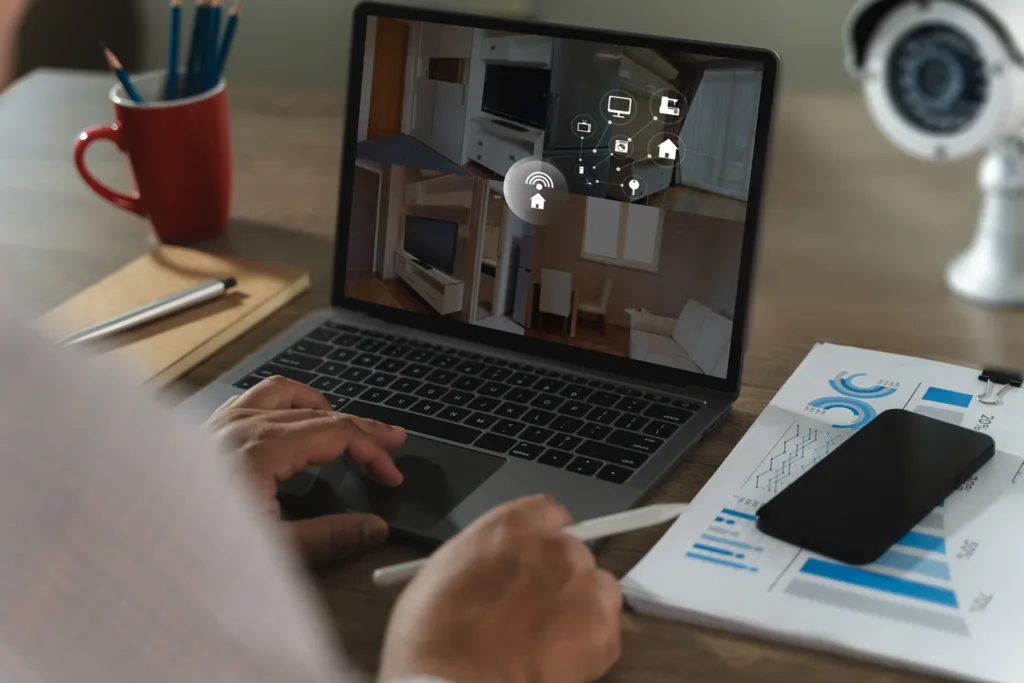
Storing and Accessing Footage
How long you can keep CCTV recordings
Footage should not be kept longer than necessary. For most homeowners, 30 days is considered a reasonable limit. Longer storage is allowed if there’s a clear reason — for example, ongoing incidents or police involvement — but it should not be indefinite.
Granting access if someone requests their data
Under UK GDPR, individuals have the right to request footage where they are clearly identifiable. As the data controller, you must respond to these requests within one month, and may be asked to provide a copy or explain why the footage cannot be released.
Securing your storage and system against misuse
Whether you’re using cloud-based storage or a local hard drive, you must ensure access is password-protected and that the footage cannot be altered, shared, or leaked. Weak or default passwords pose a significant risk, and smart systems should always be kept up to date with software patches.
Compliance and Best Practice
Choosing the right CCTV setup for legal coverage
Domestic CCTV should be installed with legal boundaries in mind. Use motion detection to limit unnecessary recording, disable audio unless you have a valid reason, and check that the field of view is justified by your security concerns.
Informing visitors and neighbours
Even if the law doesn’t require neighbour consent, it’s good practice to inform them — especially if your system may capture parts of their property. Friendly communication helps reduce complaints and can encourage collaborative approaches to local security.
Working with qualified electricians for safe installation
Home CCTV systems often tie into existing electrical and internet infrastructure, which means proper installation matters. We recommend using a qualified electrician, particularly if you’re connecting devices to external power, or installing in difficult locations. Our guide on who can install smart doorbells covers this in more detail.
Common Legal Pitfalls to Avoid
Over-monitoring or audio recording
Recording video is one thing — capturing sound is another. Audio monitoring can be seen as highly intrusive and is rarely justifiable for domestic setups. Avoid systems with built-in microphones unless there’s a clear, documented need.
Sharing footage on social media
It may be tempting to post videos of suspicious activity online, but doing so could breach data protection laws. Sharing footage publicly should be a last resort, ideally after reporting the matter to police.
Ignoring subject access requests
If someone asks to see footage in which they appear, you can’t ignore it. The law gives them the right to ask, and you must provide a timely and lawful response. You may redact or blur other individuals where necessary.
Professional Installation and Troubleshooting
Avoiding electrical faults or unsafe DIY setups
DIY CCTV kits are widely available, but incorrect installation can lead to exposed wiring, signal issues, or interference with other systems. We regularly help clients fix problems with power supply, camera positioning, and Wi-Fi connectivity. If you’re seeing these issues, our team can assist — especially where security system electrical faults are involved.
Why professional installers ensure better compliance
Professional installers not only avoid technical faults — they help ensure your system is set up legally. From camera angles to signage placement, we take a complete approach to ensure everything functions safely, efficiently, and in line with the law. You can view some of our recent CCTV and doorbell installations to see what that looks like in practice.
FAQs
Can I point a camera at my neighbour’s driveway?
Not without legal responsibility. If the footage captures your neighbour’s property, you must follow data protection laws — including providing signage and responding to access requests.
Do I need to register my home CCTV with the ICO?
In most domestic situations, no. However, if your setup captures areas beyond your boundary, it’s a good idea to review the ICO’s guidance and consider registration if your usage expands or changes.
Is audio recording allowed with home CCTV?
Generally not. Audio is highly intrusive and can rarely be justified in domestic settings. It’s safer to disable audio entirely unless there’s a compelling and lawful reason.
Final Thoughts
Domestic CCTV is legal in the UK, but it’s not without rules. While protecting your home is important, it must be done with respect for others’ privacy and in line with the Data Protection Act. Proper positioning, responsible recording, and secure storage are all essential steps. Professional installation adds another layer of confidence — both in safety and in compliance.
If you’re installing a new system or upgrading an existing one, our team at Wave Electrical Solutions can help you get it right. We offer full CCTV and smart doorbell fitting services across Cornwall.